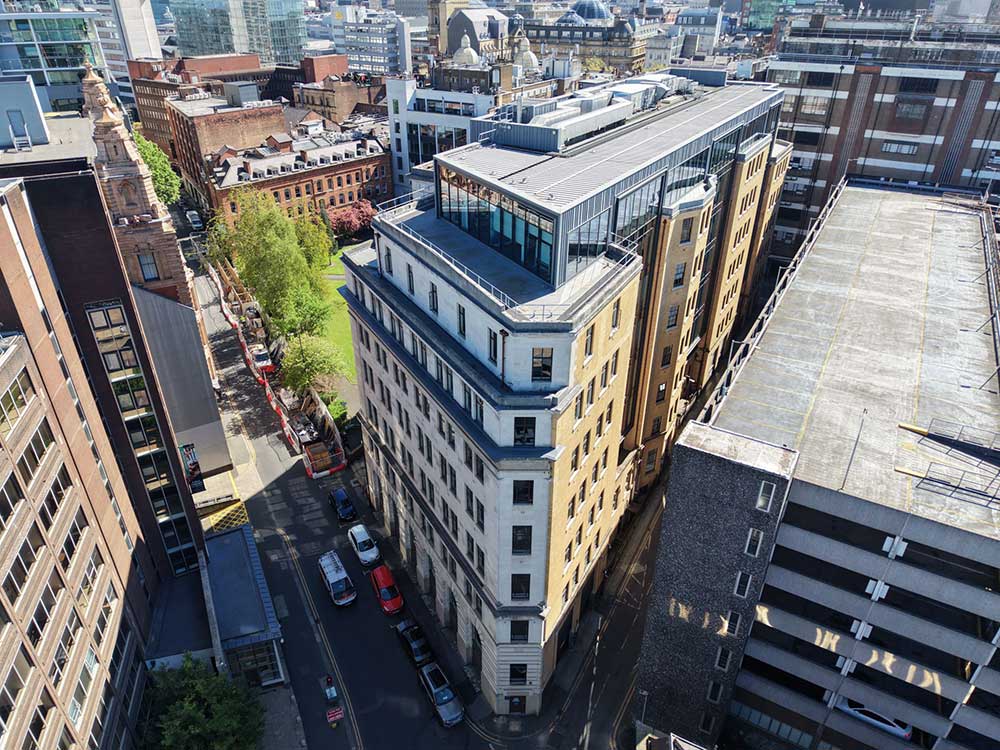
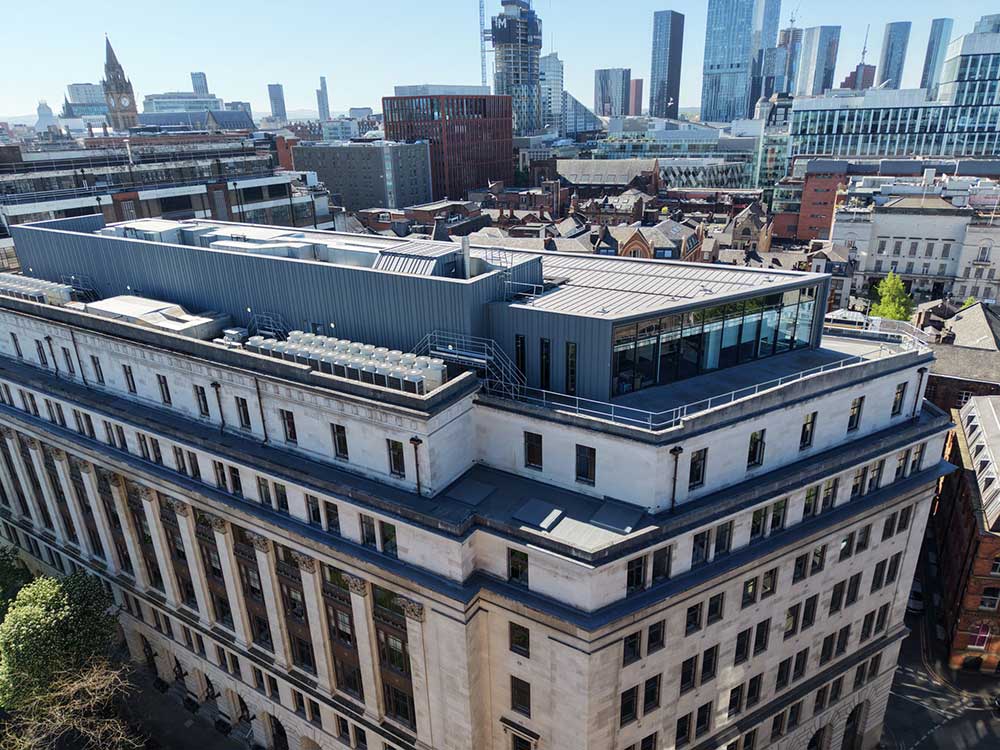
Bird activity is one of those problems that tends to be underestimated right up until it isn’t — a handful of roosting pigeons doesn’t sound like a serious issue, until the mess, noise, and blocked drainage they cause starts affecting operations, hygiene inspections, or the roof itself. For commercial property owners, dealing with it properly means understanding both the practical options and the legal framework around how it’s done.
Why bird activity is a genuine roofing problem, not just a nuisance
Beyond the obvious mess, bird droppings are acidic and can accelerate corrosion on metal roofing, guttering, and flashings over time. Nesting material regularly blocks gutters and outlets, which as covered elsewhere can lead to standing water and drainage failures. On buildings near food preparation, retail, or hospitality — hotels, restaurants, warehouses handling produce — bird activity also creates genuine hygiene and pest-control compliance issues, and can affect the outcome of environmental health inspections.
Netting: the most effective long-term solution
Properly installed bird netting is generally the most effective and durable way to exclude birds from a roof area, particularly for larger or more complex roofscapes with multiple ledges, plant equipment, or recessed areas where birds like to roost. Modern netting systems use UV-stabilised, high-tensile mesh fixed via a discreet perimeter wire and post system, designed to be as unobtrusive as possible while providing complete exclusion. Mesh size is chosen based on the species being excluded — pigeons need a different gauge to smaller birds like sparrows or starlings — and a properly tensioned system should require minimal ongoing maintenance beyond periodic inspection.
Alternatives worth understanding
Netting isn’t always the right fit for every roof. Bird spikes work well on narrow ledges, parapets, and linear roof edges where birds land to roost rather than nest, and are considerably cheaper to install on smaller, simpler areas. Post-and-wire systems offer a lighter-touch deterrent for wider ledges. Electric deterrent systems and optical/gel deterrents exist too, though they tend to suit lower-pressure sites rather than roofs with established, persistent bird populations. For genuinely large or architecturally complex commercial roofs, a combination approach — netting over the main problem areas, spikes on ledges — is often the most cost-effective solution.
What it costs and what drives the price
Costs vary significantly depending on roof size, access difficulty, and the complexity of the area being protected — a straightforward flat roof perimeter is a very different job to a complex, multi-level roofscape with plant equipment and recessed voids. Access method matters too; areas reachable by standard means are considerably cheaper to net than those requiring rope access or specialist platforms. It’s worth getting a proper site survey rather than a desktop quote, since the actual roof geometry has a big impact on both material quantities and installation time.
The legal side: what you need to know before acting
All UK wild birds, their nests, and eggs are protected under the Wildlife and Countryside Act 1981, which makes it an offence to intentionally damage or destroy an active nest, or to intentionally kill, injure, or take a wild bird, with limited exceptions. This is precisely why timing matters — netting and deterrent installation should ideally happen outside of active nesting season, or with a proper survey to confirm no active nests are present before work begins. Species such as pigeons and feral pigeons are more commonly subject to general licences allowing control in specific circumstances, but the details matter, and it’s an area where a specialist installer’s experience protects you from an accidental breach as much as it solves the bird problem itself.
Getting it done properly
At RMLFS, our bird netting installations are carried out with full consideration of nesting seasons and legal requirements, using systems specified to the roof type and bird pressure at each site, and we offer ongoing maintenance to keep existing netting systems performing as they should.