Many commercial and industrial buildings across the UK still have asbestos-containing roofing materials installed decades ago. If your business operates from a property with an asbestos roof, understanding the removal process, legal requirements, and health risks is essential for protecting your employees, customers, and investment.
This comprehensive guide covers everything UK business owners and facilities managers need to know about commercial asbestos roof removal in 2026.
Understanding Asbestos in Commercial Roofing
Asbestos was extensively used in UK commercial roofing materials from the 1950s through to 1999, when it was finally banned. The material was valued for its fire resistance, durability, and affordability, making it particularly common in industrial and warehouse settings.
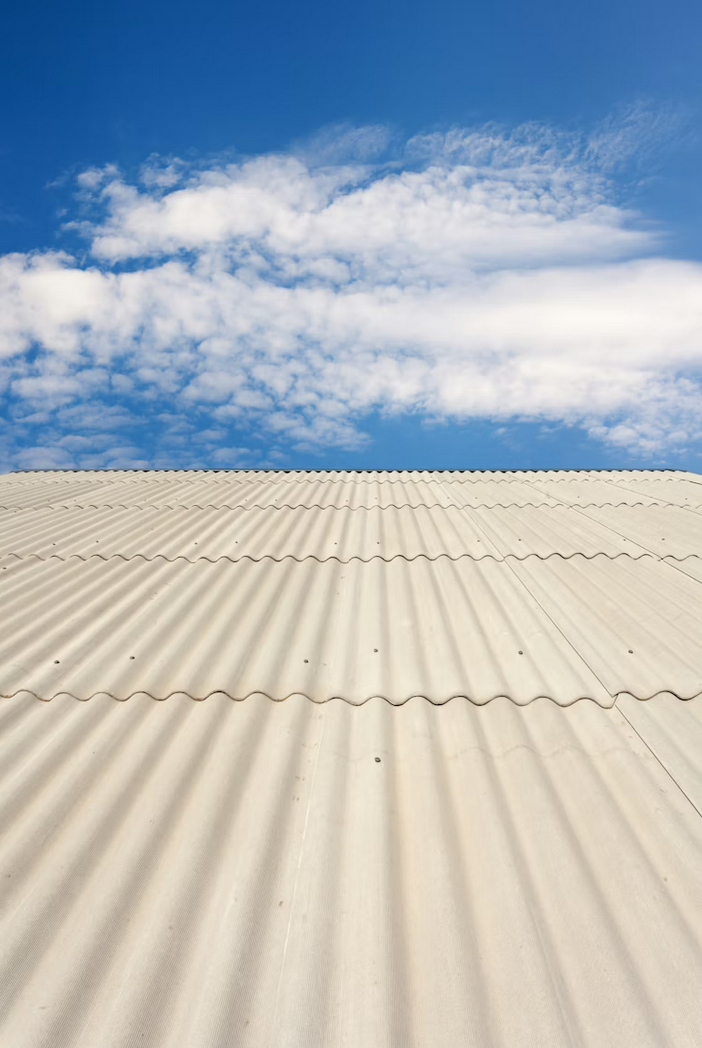
Asbestos cement sheeting remains the most prevalent form found on commercial roofs today. These corrugated or flat panels contain chrysotile (white asbestos) bonded within cement, creating the distinctive grey roofing sheets still visible on countless warehouses, factories, and commercial units nationwide.
The challenge facing property owners is that asbestos materials deteriorate over time. Weathering, mechanical damage, and general aging cause the fibres to become friable, meaning they can crumble and release dangerous fibres into the air. Any building with an asbestos roof installed before 2000 should be assessed for condition and potential risks.
Health Risks and Legal Responsibilities
Asbestos exposure causes serious respiratory diseases, including asbestosis, lung cancer, and mesothelioma. These conditions often develop decades after initial exposure, making prevention through proper removal the only safe approach.
Under the Control of Asbestos Regulations 2012, building owners and employers have clear legal duties. You must identify asbestos-containing materials in your premises, assess their condition, manage the risks, and maintain an up-to-date asbestos register. Failure to comply can result in unlimited fines and even imprisonment in severe cases.
The Health and Safety Executive enforces these regulations strictly. If your commercial property has an asbestos roof showing signs of deterioration, you cannot simply ignore it or delay action. The duty holder (typically the property owner or the business tenant with repairing responsibilities) must take appropriate steps to manage or remove the hazard.
Commercial properties face additional scrutiny because multiple people may be exposed, including employees, contractors, visitors, and members of the public. This elevates the risk profile and the urgency of addressing asbestos roofing issues.
When Removal Becomes Necessary
Not every asbestos roof requires immediate removal. If the material is in good condition, well-sealed, and unlikely to be disturbed, a management-in-place approach with regular monitoring may be acceptable in the short term.
However, removal should be seriously considered when asbestos roofing shows visible deterioration such as cracking, breaking, or surface damage that could release fibres. Properties undergoing refurbishment or redevelopment must address asbestos before other works begin. Buildings being sold or leased often require asbestos removal to complete transactions, as buyers and tenants increasingly refuse to accept properties with asbestos liabilities.
The roof’s age also matters. Asbestos cement roofing typically has a lifespan of 30 to 50 years. Many commercial roofs installed in the 1970s and 1980s are now reaching or exceeding their design life, making replacement both a safety necessity and a practical investment.
Insurance considerations increasingly drive removal decisions as well. Some insurers apply premium loadings or coverage restrictions for properties with asbestos roofing, particularly in poor condition.
The Commercial Asbestos Roof Removal Process
Professional commercial asbestos roof removal follows a structured process designed to protect workers, building occupants, and the surrounding environment.
The project begins with a comprehensive asbestos survey conducted by accredited surveyors. This identifies all asbestos-containing materials, assesses their condition, and determines the scope of work required. For commercial properties, a refurbishment and demolition survey is typically necessary before any removal work.
Once the survey is complete, specialist asbestos removal contractors licensed by the Health and Safety Executive develop a detailed removal plan. This plan must be notified to the HSE at least 14 days before work begins for most commercial projects, giving regulators time to review the approach.
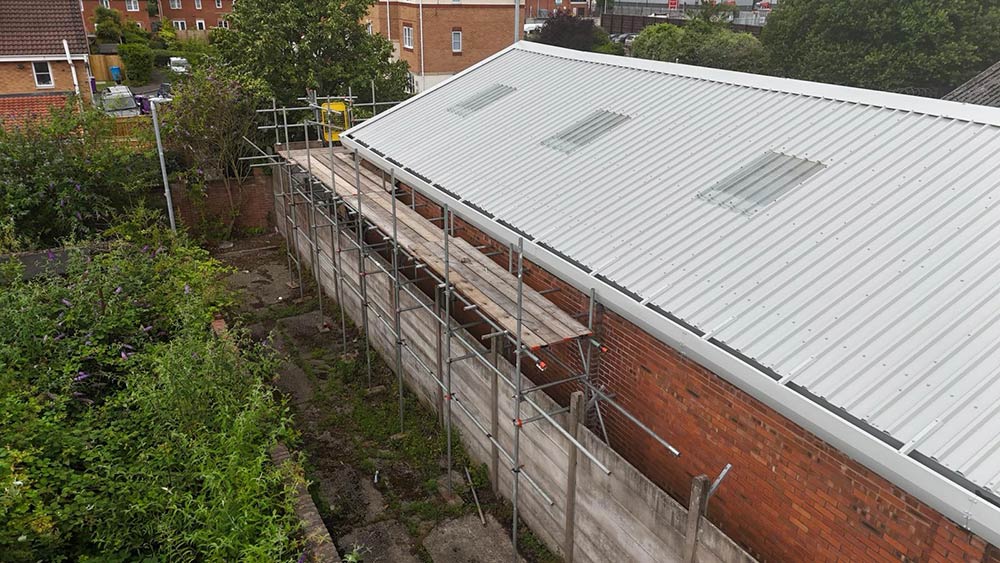
Before physical removal starts, the work area is isolated using scaffolding, enclosures, and negative pressure units that prevent asbestos fibres from escaping. Warning signs and restricted access zones protect people from inadvertently entering contaminated areas.
Trained operatives wearing appropriate respiratory protective equipment then carefully remove the asbestos roofing materials using methods that minimise fibre release. Water suppression techniques keep materials damp throughout the process, as wet asbestos produces fewer airborne fibres than dry material.
All asbestos waste is double-bagged in approved containers, properly labelled, and transported by licensed carriers to designated disposal facilities. The waste consignment note system tracks every movement, creating a complete audit trail from removal through to final disposal.
After removal, the site undergoes thorough decontamination and independent air testing by UKAS-accredited analysts. Only when testing confirms the area is safe can normal activities resume. The entire process for a medium-sized commercial roof typically takes between one and four weeks, depending on building size and complexity.
Choosing Industrial Asbestos Roof Services
Selecting the right contractor is crucial for commercial asbestos roof removal projects. Only choose companies holding a valid HSE asbestos removal license, which can be verified on the HSE website. This license demonstrates the contractor has met stringent competency, equipment, and insurance requirements.
Look for contractors with specific experience in commercial and industrial projects similar to yours. Removing asbestos from a small office roof differs significantly from handling a large warehouse or manufacturing facility, which may require night or weekend working to minimise business disruption.
Check for relevant accreditations beyond the basic HSE license. Membership in industry bodies such as the Asbestos Removal Contractors Association (ARCA) indicates commitment to professional standards. ISO certifications for quality management and environmental management systems also signal reliable operations.
Insurance coverage matters greatly for commercial projects. Verify that contractors carry adequate public liability and employer’s liability insurance, typically at least £10 million for commercial work. Request copies of current insurance certificates before awarding any contract.
Obtain detailed written quotes from multiple contractors, ensuring they cover the complete scope including surveys, removal, disposal, testing, and site restoration. The cheapest quote is rarely the best choice when dealing with hazardous materials where shortcuts can have devastating consequences.
Cost Considerations for Commercial Projects
Commercial asbestos roof removal costs vary considerably based on multiple factors. A small industrial unit might cost £5,000 to £15,000, while large warehouse roofs can reach £50,000 to £150,000 or more for complete removal and safe disposal.
Several elements influence pricing. The roof area is the primary factor, but accessibility also matters significantly. Buildings requiring extensive scaffolding or those in restricted urban locations increase project costs. The roof’s condition affects pricing too, as fragile, deteriorating asbestos requires more careful handling than material in better condition.
Testing and certification add to costs but cannot be skipped. Pre-removal surveys typically cost £300 to £800 for commercial properties, while post-removal air testing ranges from £200 to £600 depending on building size and the number of test samples required.
Waste disposal fees are substantial because asbestos can only be deposited at licensed hazardous waste facilities. Disposal costs currently range from £150 to £300 per tonne, and commercial roofs often generate significant waste volumes.
Many businesses choose to combine asbestos removal with roof replacement, which can improve overall project economics. Modern roofing materials offer better thermal performance, reduced maintenance, and improved weather protection, potentially generating energy savings that offset removal costs over time.
Some commercial property owners are eligible for grants or low-interest loans to support asbestos removal, particularly for properties in regeneration areas or where removal supports business expansion. Local enterprise partnerships and business support organisations can provide information on available funding.
Minimising Business Disruption
One of the biggest concerns for business owners is how asbestos removal will affect operations. Professional contractors experienced in commercial work develop strategies to minimise disruption.
Phased removal allows large roofs to be tackled in sections, keeping most of the building operational throughout the project. This approach works well for businesses that cannot afford complete shutdowns but requires careful planning to maintain proper contamination control between active and inactive work zones.
Out-of-hours working is common for commercial asbestos projects. Removal during evenings, weekends, or holiday periods allows businesses to continue normal operations during standard working hours. While this may increase labour costs slightly, avoiding business interruption often justifies the premium.
Temporary weather protection such as sheeting or tensile structures can be installed to allow removal work to proceed while keeping the building interior dry and functional. This matters particularly for businesses with weather-sensitive operations or inventory.
Communication is essential throughout the project. Professional contractors provide regular updates to building occupants, explaining what to expect and addressing concerns. This transparency helps maintain confidence and cooperation during what can be an unsettling process for employees and customers.
What Happens After Removal
Once your commercial asbestos roof has been safely removed, the focus shifts to replacement and future-proofing the building. Modern roofing systems offer dramatically improved performance compared to the asbestos materials they replace.
Single-ply membranes, standing seam metal roofing, and composite panels all provide excellent weather protection with superior insulation properties. Many businesses use asbestos removal as an opportunity to substantially upgrade their building’s thermal performance, reducing heating costs and improving comfort for occupants.
Solar panel installation becomes much more viable once asbestos roofing is removed, as panels cannot be safely mounted on deteriorating asbestos sheets. Many commercial properties combine roof replacement with solar PV installation, turning the roof into an energy-generating asset.
Updated roofing also improves property valuations and marketability. Buildings with modern, asbestos-free roofs are easier to sell or lease, command better rental rates, and avoid the stigma and liability associated with asbestos-containing materials.
Don’t forget to update your asbestos register after removal work is complete. The register should note what was removed, when, by whom, and the clearance certificate details. This documentation protects you legally and provides valuable information for future property transactions.
Why Acting Now Makes Sense
Several factors make 2026 an opportune time for UK businesses to address commercial asbestos roofing issues. Regulatory scrutiny continues to intensify, with the HSE conducting more workplace inspections and imposing tougher penalties for non-compliance.
The condition of asbestos roofing installed during the 1970s and 1980s is reaching critical thresholds. Materials that may have been manageable five or ten years ago are increasingly deteriorating to points where removal becomes unavoidable. Delaying often means facing emergency removal under more difficult circumstances and at higher costs.
Contractor availability should also inform timing decisions. Specialist asbestos removal firms are increasingly busy as more property owners recognise the need for action. Planning removal during your preferred timeframe rather than waiting until urgent problems force your hand gives you better contractor choice and potentially more competitive pricing.
Business planning benefits from addressing asbestos removal proactively. Incorporating removal into planned maintenance cycles or coordinating with other building improvements allows you to manage costs and disruption more effectively than emergency reactive removal.
Finally, removing asbestos roofing eliminates ongoing management burdens. You no longer need regular condition surveys, management plans, or concerns about contractor safety when roof access is required. The building becomes simpler to operate, maintain, and ultimately dispose of when the time comes.
Taking the First Steps
If you own or manage commercial property with an asbestos roof, begin by reviewing your current asbestos survey. If the survey is more than two years old or doesn’t specifically address the roof condition, commission an updated assessment from an accredited surveyor.
Use the survey findings to make informed decisions about timing and approach. If the roof shows significant deterioration or you’re planning other building works, removal should be prioritised. If the condition is stable, develop a realistic timeline for removal within the next few years rather than indefinitely delaying.
Obtain quotes from multiple licensed asbestos removal contractors with proven commercial experience. Discuss your operational requirements and explore options for phased or out-of-hours working to minimise business impact.
Budget appropriately for the complete project including surveys, removal, disposal, testing, and roof replacement. While costs are substantial, the investment protects your workforce, secures your property asset, and eliminates future liabilities.
Remember that commercial asbestos roof removal is not a DIY project or something that can be handled by general roofing contractors. The health risks, legal requirements, and technical complexities demand specialist expertise and equipment. Choosing properly licensed, experienced contractors is not optional—it’s a legal and moral necessity.
Conclusion
Commercial asbestos roof removal in the UK is a significant undertaking, but one that growing numbers of businesses must face as asbestos-containing materials reach the end of their useful lives. Understanding the process, regulations, and risks allows property owners and facilities managers to make informed decisions that protect people, comply with legal obligations, and preserve building value.
The combination of aging materials, stricter enforcement, and increased awareness means that businesses can no longer afford to ignore asbestos roofing issues. Taking proactive steps to assess, plan, and execute removal projects positions your business to operate safely, efficiently, and without the shadow of asbestos liability.
Whether you’re managing a small industrial unit or a large commercial complex, professional guidance from licensed asbestos removal contractors and accredited surveyors will help you navigate the removal process successfully. The investment in proper asbestos roof removal pays dividends through improved safety, reduced risk, better building performance, and peace of mind for everyone who works in or visits your commercial property.