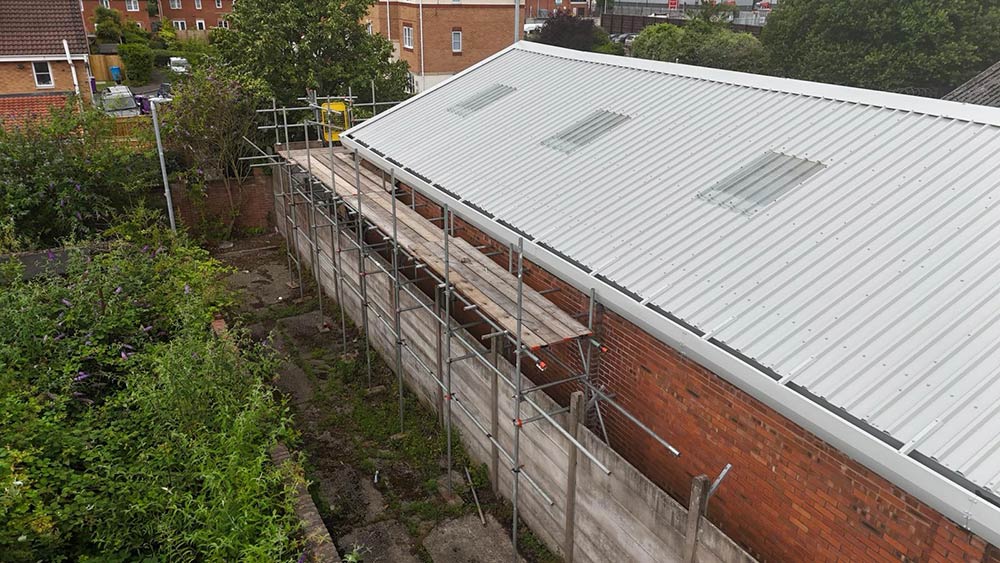
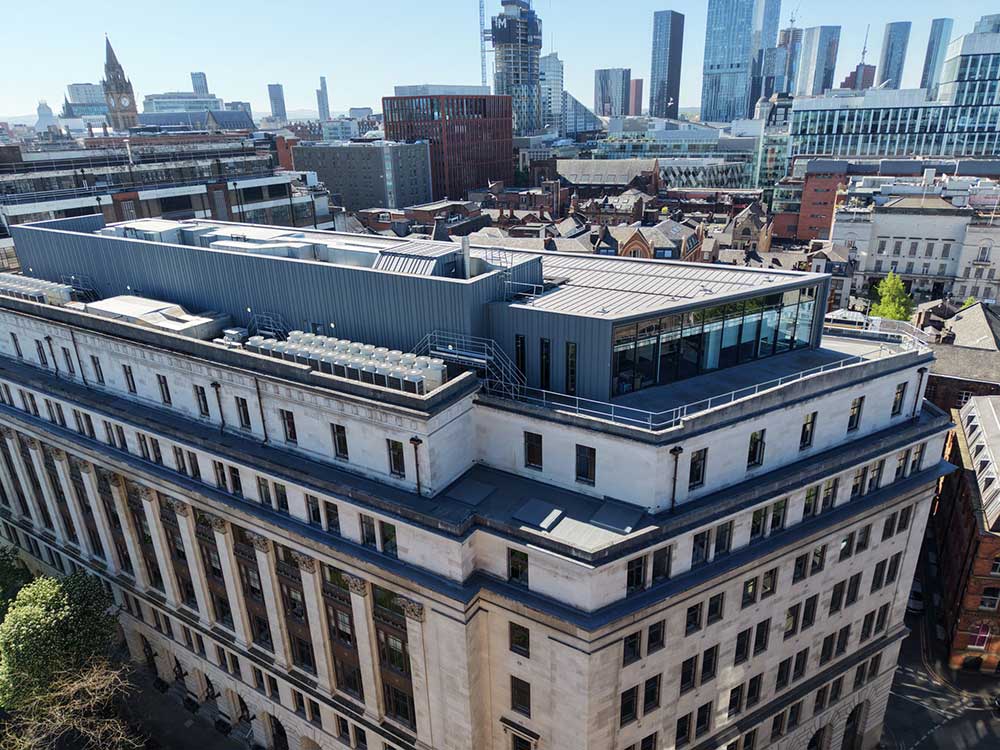
Most facility managers imagine roof failure as dramatic—the ceiling caves in during a storm, water pours through light fittings, emergency services arrive, and the building evacuates. Reality is less cinematic but far more insidious. Roof failures rarely announce themselves with catastrophic collapse. Instead, they creep forward through missed warning signs, deferred decisions, and accumulating damage that builds pressure until what started as “a small leak we’re monitoring” becomes “the roof has failed and we need to close the building.”
This is the story of how a commercial property goes from functioning roof to emergency shutdown. It’s based on a real retail warehouse in the Midlands, though the details apply to offices, hotels, and industrial properties across the UK. The timeline spans eight months from first drip to doors closed. The costs exceed £180,000 for a problem that could have been stopped at £1,200.
More importantly, it shows why “we’ll deal with it next quarter” becomes the most expensive decision a facility manager can make.
Week 1: The First Drip Nobody Worried About
Monday morning, March 14th
The warehouse shift supervisor notices water staining on a ceiling tile near the back corner of the building. It’s about the size of a dinner plate—brownish marks suggesting water has been there a while, though nobody remembers seeing it before.
He mentions it to the facilities manager during their weekly check-in. They walk over together, look up at the stain, have the conversation that happens in commercial buildings everywhere:
“Probably from that storm last week.” “Yeah, we get a bit of water in that corner sometimes.” “Worth keeping an eye on?” “Let’s see if it happens again. Could just be condensation.”
Decision made: monitor it. No immediate action needed.
What’s actually happening: A small membrane split near a roof penetration has been leaking for three weeks. Every rainfall event sends water into the roof assembly. The insulation is absorbing moisture. The ceiling void above that stain contains standing water on the vapor barrier.
Cost to fix now: £800-£1,200 (locate source, patch membrane, replace affected ceiling tile)
Cost of inaction: Currently unmeasured, but accumulating hourly.
Week 4: The Bucket Arrives
Monday morning, April 4th
After two more rainstorms, the stain has tripled in size. During Friday’s heavy rain, water actually dripped through the ceiling tile. Not a lot—maybe enough to fill a coffee mug over the course of the day. But enough that stock got moved away from the area.
Facilities manager emails the roofing contractor they used last time: “Got a small leak in the warehouse, nothing urgent. Can you take a look when you’re next in the area?”
Contractor’s schedule is full until late April. “We can fit you in the 28th if it’s not urgent?”
It’s not urgent. The warehouse staff put a bucket under the drip point.
What’s actually happening: The membrane split has widened to about 80mm from thermal movement and repeated rain exposure. Water is now entering the roof assembly during every rain event, not just heavy storms. The insulation beneath the leak is saturated across a 4 square meter area. Moisture is wicking through to adjacent insulation sections.
The steel roof purlins are starting to show surface rust where water runs down them. The ceiling plasterboard is weakening from repeated wetting and drying cycles.
Cost to fix now: £1,500-£2,000 (membrane repair plus wet insulation replacement becoming necessary)
Week 8: When the Contractor Finally Comes
Thursday, April 28th
The roofing contractor arrives for the scheduled inspection. It’s been raining on and off all week. The bucket under the leak is half full and gets emptied twice a day.
The contractor goes up to the roof, finds the split membrane in about 15 minutes, and comes back down with his assessment:
“Yeah, that’s your problem. Membrane’s split around that vent penetration. I can patch it for about £800. But I’m seeing some other issues up there too—couple of other areas that look like they might go the same way. And there’s a fair bit of ponding. When was this roof installed?”
“2005.”
“Right, so 17 years old. Might be worth thinking about what you want to do long-term. This isn’t the only problem you’re going to get.”
The facilities manager asks about cost for comprehensive repairs. Contractor estimates £15,000-£20,000 to address all the developing issues he’s spotted, maybe 3-4 years additional life from the roof.
That’s above the facilities manager’s approval threshold. Needs to go to regional management.
For now: “Just do the emergency patch. We’ll talk to head office about the bigger picture.”
Contractor books in for the patch repair two weeks out.
What’s actually happening: The £800 patch will stop new water entering. But the £15,000 comprehensive work would address five other problem areas about to fail, replace saturated insulation, and deal with drainage problems causing ponding that’s stressing the membrane across 20% of the roof area.
Cost to fix comprehensively: £15,000-£20,000 Cost to fix the immediate leak: £800 Cost approved: £800
Week 10: The Patch Gets Applied
Thursday, May 12th
The contractor returns and applies the membrane patch. Takes about three hours. Invoice for £850 including call-out.
The leak stops. Bucket gets removed. Warehouse team moves stock back to the area. Ceiling tile remains stained but dry.
Facilities manager sends email to regional manager: “Roof leak resolved, £850 cost. Contractor mentioned the roof is getting old and we might want to budget for more work in the future, but the immediate issue is fixed.”
Everyone considers this a success. Problem identified, problem solved, modest cost, business uninterrupted.
What’s actually happening: The wet insulation is still wet. It’s not going to dry out—roof assemblies don’t work that way. The saturated insulation has lost 60% of its R-value. Heating costs for that corner of the warehouse are 30% higher than they should be.
The other five problem areas the contractor identified are still there, still deteriorating, getting worse every time it rains.
Unknown cost already accrued: £3,500 in wet insulation damage, £600 in wasted energy over the next 12 months, £8,000 in progressive damage to the five other problem areas.
Week 18: The Second Leak Appears
Monday, July 4th
Different area, different leak. This one’s bigger—heavy rain on the weekend has created a wet patch about 2 meters across on the ceiling. Water dripped steadily all through Saturday.
Warehouse supervisor calls facilities manager: “We’ve got another leak. Different spot, but it’s worse than the last one.”
Facilities manager calls the roofing contractor. “Yeah, I figured you might have more problems. That roof’s on its last legs. I can come patch this one too, but honestly, you’re playing whack-a-mole at this point.”
Second patch scheduled for two weeks out. Meanwhile, another bucket.
What’s actually happening: This is one of the five areas the contractor flagged in April. It’s failed exactly as predicted. The other four are 4-8 weeks behind this one.
Cost to fix this leak: £900 Cost to fix this leak plus the other four about to fail: £12,000-£15,000
Week 22: The Ceiling Comes Down
Wednesday, August 3rd, 11:47 AM
A section of ceiling collapses in the original leak area. About 2 square meters of plasterboard, insulation, and acoustic tiles falls onto the warehouse floor. Nobody is underneath it when it happens—pure luck.
The collapse reveals the roof deck above. The area is immediately cordoned off. Health and safety incident logged. The facilities manager is on-site within two hours.
Looking up through the hole, they can see daylight. Not through a hole in the roof—the membrane patch is still intact. Through gaps in the roof assembly. Water has been tracking laterally through the roof structure, soaking ceiling supports and plasterboard well beyond the original leak point.
The ceiling has failed from moisture saturation and repeated wetting cycles. What looked like a “fixed” leak was feeding hidden deterioration the whole time.
Emergency roofing contractor arrives by 4 PM. Assessment: the leak was only ever a symptom. The problem is systemic deterioration across 80-100 square meters of roof. The ceiling collapse is secondary damage from the primary roof failure.
Immediate actions required:
- Temporary weatherproofing of exposed area: £2,500
- Emergency ceiling repairs: £4,500
- Structural assessment of affected roof area: £1,200
- Estimated full repair (membrane section replacement, insulation, ceiling, structural): £35,000-£45,000
Business impact:
- Warehouse section closed for safety, about 15% of floor space unusable
- Stock relocation required
- Operations disrupted
Total cost so far: £850 + £900 + £2,500 + £4,500 + £1,200 = £9,950 in reactive spending Still facing: £35,000-£45,000 in proper repairs
Week 24: The Third and Fourth Leaks
Late August
The summer rain continues. While the emergency ceiling repair holds, two more leaks develop in other areas. These are the other flagged problems from April, failing on schedule.
The bucket count is now three. Staff jokes about the “leak department.”
Facilities manager has run out of approval authority. The cumulative small repairs plus the ceiling collapse have exceeded budget by £12,000. Regional manager is now involved.
A decision gets made: stop patching individual leaks. Commission a comprehensive roof survey to understand total exposure. Results come back two weeks later.
Survey findings:
- 30% of roof showing advanced deterioration
- Multiple areas requiring urgent attention
- Drainage failures creating ponding stressing remaining membrane
- Structural concerns in leak-affected areas
- Estimated remaining life: 12-18 months
- Recommendation: full replacement required
Quote for comprehensive repair: £65,000-£85,000 Quote for full replacement: £140,000-£160,000
Neither option fits this year’s budget. Decision deferred to next year’s capital planning.
Week 32: When Everything Accelerates
Early October
Autumn storms arrive. The deteriorated roof, already compromised across 30% of its area, takes the full force of Atlantic weather systems.
Over one weekend, five new leaks develop. Not small drips—real leaks pouring water during heavy rain.
Monday morning, the warehouse floor has water damage. Stock losses estimated at £15,000. Ceiling tiles are collapsing in multiple areas. Electricians are called to inspect light fittings with water damage. Two fittings need immediate replacement for safety.
The warehouse manager makes the call nobody wants to hear: “We can’t operate like this. We need to shut down until this is fixed.”
Timeline from that decision:
Monday afternoon: Emergency meeting. Options reviewed:
- Emergency patching to get building operational: £8,000-£12,000, might buy 2-3 weeks
- Comprehensive repair: £85,000, 3-4 weeks work, 3-5 years additional life
- Full replacement: £155,000, 6-8 weeks work, 25 years life
Decision: Full replacement. The building is non-operational. Temporary repairs won’t restore confidence. The deterioration is too advanced.
Tuesday: Building officially closed. Stock relocated to alternative warehouse (rented): £8,500 for two months Emergency temporary weatherproofing installed to prevent further damage: £6,500
Week 1: Staff redeployed or temporarily laid off. Business continuity plan activated. Alternative distribution arrangements made.
Business interruption costs:
- Lost revenue: £45,000 per week
- Alternative warehouse rental: £4,250 per week
- Additional logistics costs: £3,200 per week
- Staff costs during closure: £12,000 per week
Week 33-40 (8 weeks): Full roof replacement proceeds. Total project cost: £158,000
Week 40: Building reopens. Operations gradually return to normal over two weeks.
The Final Accounting
Total costs from first leak to reopening (32 weeks):
Direct roofing costs:
- Initial patch: £850
- Second patch: £900
- Emergency ceiling repair: £7,200
- Survey and assessment: £1,200
- Emergency weatherproofing: £6,500
- Full replacement: £158,000
- Subtotal: £174,650
Business interruption:
- Stock damage: £15,000
- Alternative warehouse (8 weeks): £34,000
- Additional logistics: £25,600
- Lost revenue (8 weeks): £360,000
- Subtotal: £434,600
Total cost: £609,250
Timeline: 32 weeks from first drip to reopening
What Should Have Happened: The Alternative Timeline
Week 1 (March 14th): Ceiling stain noticed
Week 2 (March 21st): Roofing contractor inspection scheduled (not “when you’re in the area” but “this week”)
Week 3 (March 28th): Contractor completes inspection, identifies the membrane split plus five developing problems
Decision made: Comprehensive repair addressing all identified issues
- Cost: £15,000
- Work scheduled for April
- Completion: 3 days
- Building operations: uninterrupted
- Roof life extension: 3-5 years
Week 6 (April 18th): Repairs completed. Problem solved.
August (Week 22): No ceiling collapse because moisture never accumulated October (Week 32): No emergency shutdown because comprehensive repairs prevented progressive failure
Total cost: £15,000 Building closures: None Stock damage: None Business interruption: None
Savings from early intervention: £594,250 ROI on decisive action: 3,961%
The Warning Signs Everyone Missed
Looking back at the timeline, there were seven clear decision points where intervention would have prevented escalation:
1. Week 1 – First stain appears Red flag: New water damage where none existed before Decision: Monitor vs investigate immediately Cost of immediate action: £1,200 Cost of delay: £609,250
2. Week 4 – Bucket arrives Red flag: Problem recurring, not one-time event Decision: Non-urgent scheduling vs priority response Cost of immediate action: £2,000 Cost of delay: £607,250
3. Week 8 – Contractor identifies multiple problems Red flag: Professional warning about systemic issues Decision: Patch only vs comprehensive repair Cost of comprehensive action: £15,000 Cost of minimum action: £609,250
4. Week 10 – Patch applied, wet insulation ignored Red flag: Saturated insulation doesn’t dry out Decision: Replace wet insulation vs leave in place Cost of proper repair: £3,500 Cost of omission: £606,250
5. Week 18 – Second leak predicted failure Red flag: Exactly what contractor warned about Decision: Continue reactive approach vs address all flagged issues Cost of addressing all issues: £12,000 Cost of continued reaction: £597,250
6. Week 22 – Ceiling collapse Red flag: Structural failure indicating severe deterioration Decision: Minimum repair vs comprehensive solution Cost of comprehensive solution: £45,000 Cost of minimum repair: £564,250
7. Week 32 – Multiple leak cascade Final decision: Emergency replacement forced Cost: £609,250 Alternative: This crisis point was completely preventable
Why Smart People Make These Decisions
The facilities manager in this story wasn’t incompetent. The regional manager wasn’t negligent. The decisions made sense at each individual point:
Week 1: Monitor before spending—reasonable Week 4: Schedule when contractor available—normal Week 8: Get approval for major spend—required Week 10: Fix the immediate problem—logical Week 18: Another patch is cheaper than replacement—true Week 22: Minimum repair gets building operational—practical
The problem is that each decision optimizes for the current moment while ignoring the trajectory. Nobody asked “where does this pattern lead?” Instead, each decision was made in isolation.
This is how roof failures happen. Not through dramatic neglect, but through a series of individually defensible decisions that collectively create disaster.
The Prevention Strategy: Breaking the Pattern
Preventing this timeline requires changing decision-making frameworks, not just maintaining roofs better.
Framework shift #1: Treat warning signs as signals, not noise
When water appears inside a building, something has failed. “Monitor it” isn’t a solution—it’s a decision to delay solving the actual problem.
New decision rule: Any water intrusion gets professional assessment within 7 days. No exceptions.
Framework shift #2: Accept that cheap solutions to systemic problems don’t work
£850 patches on £15,000 problems don’t save money. They waste £850 while the £15,000 problem continues growing.
New decision rule: When contractors identify systemic issues, address them comprehensively or accept the risk consciously.
Framework shift #3: Budget for reality, not optimism
Hoping a 17-year-old roof won’t develop more problems is optimism. Planning for ongoing deterioration is realism.
New decision rule: End-of-life roofs get replacement budgeting, not repair budgets.
Framework shift #4: Count total cost, not current cost
£850 today vs £15,000 today looks like £14,150 saved. £850 today vs £609,250 over 32 weeks looks like £608,400 wasted.
New decision rule: Decision analysis includes 12-24 month forward projection, not just current year cost.
How RMLFS Prevents This Timeline
We’ve seen this story play out dozens of times. Not because building owners are foolish, but because the decision-making structure doesn’t match the problem structure.
Our prevention approach:
Honest initial assessment: When we find one problem, we look for the pattern. “You’ve got a leak plus five other areas about to fail” is harder to hear than “just needs a patch.” But it’s what you need to know.
Clear option presentation: We present the immediate fix, the comprehensive fix, and the long-term solution with realistic costs and outcomes for each. Then you decide with full information.
Candid advice: If we think you’re patching your way toward disaster, we’ll tell you. If we think you’re replacing prematurely, we’ll say that too.
Responsive scheduling: “Small” leaks don’t get filed under “when we’re in the area.” They get proper attention before they become big problems.
The timeline in this article didn’t have to happen. It happened because the right information and the right decisions didn’t connect at the right times.
The Takeaway
A commercial roof failure isn’t a single event. It’s a process—usually spanning months, sometimes years—where small problems compound into catastrophic ones.
The good news: intervention works at any stage. The earlier you intervene, the less it costs. But even late intervention (Week 22 in our timeline) would have been cheaper than crisis management.
The bad news: “monitor and see” is always the most expensive decision. It feels cheapest in the moment because it costs nothing. But it guarantees maximum eventual cost.
If you’re currently monitoring a leak, looking at a stain, or thinking “we’ll deal with it next quarter,” you’re at Week 1 of your own version of this timeline.
The choice is whether you write the £15,000 chapter or the £609,250 chapter.
Contact RMLFS when warning signs appear—not when ceilings fall. We’ll give you the honest assessment that lets you make the decision that prevents the disaster.
Call 0151 123 4567 or email info@rmlfs.co.uk
The first conversation might feel uncomfortable. It’s meant to. Comfortable conversations don’t prevent £600,000 failures.