Most facility managers think of roof surveys as purely technical exercises—a contractor climbs up, has a look around, writes a report. In reality, a professional roof survey is a critical risk management tool that sits at the intersection of insurance compliance, regulatory obligations, and legal liability.
Get it wrong, and you could face denied insurance claims worth tens of thousands of pounds, regulatory fines, failed property transactions, or worse—liability for injuries caused by roof failure. Get it right, and you’ve created a documented defence against risk while maintaining the asset value of your property.
This guide explains everything facility managers, property owners, and commercial landlords need to know about roof surveys in the UK context—not just the technical aspects, but the legal, financial, and compliance frameworks that make them essential.
Why Professional Roof Surveys Matter More Than Ever
The commercial property landscape has shifted dramatically in recent years. Insurers have tightened underwriting criteria following unprecedented weather-related claims. Building Safety Act 2022 provisions are expanding surveyor responsibilities. And buyers are conducting increasingly rigorous due diligence before property transactions.
In this environment, a comprehensive professional roof survey isn’t optional—it’s fundamental to protecting your business interests.
The Insurance Imperative
Most commercial property insurance policies include specific conditions regarding roof maintenance and condition. What many policyholders don’t realise is that failing to meet these conditions can void coverage entirely, leaving you personally liable for damages.
Common insurance policy requirements:
- Regular professional roof inspections (typically annual or bi-annual)
- Evidence of routine maintenance and repairs
- Immediate notification of storm damage or significant defects
- Roof age limitations (many insurers won’t cover roofs over 20-25 years old without recent surveys)
- Certification that roof-mounted equipment is properly installed and maintained
A thorough roof survey provides documented evidence that you’re meeting these obligations. More importantly, it helps you identify and remedy issues before they trigger claims, keeping your premiums manageable and your coverage intact.
Real-world example: A retail property suffered significant water damage from a roof leak during heavy rainfall. The insurer initially approved the claim (£47,000), but during loss adjustment discovered the property owner hadn’t conducted any roof inspections in five years, despite policy requirements for annual surveys. The insurer invoked the “reasonable precautions” clause and denied the claim entirely. The property owner was personally liable for the full amount.
Understanding Different Types of Commercial Roof Surveys
Not all roof surveys serve the same purpose. Understanding the different types helps you commission the right survey for your specific needs.
Condition Surveys: The Foundation of Roof Management
A condition survey provides a comprehensive assessment of your roof’s current state and identifies required maintenance or repairs.
What’s included:
- Visual inspection of all accessible roof areas
- Assessment of membrane, coverings, and substrate condition
- Drainage system evaluation
- Flashing and penetration checks
- Gutter and downpipe inspection
- Structural assessment (where accessible)
- Photographic documentation
- Condition grading (typically Good/Fair/Poor or a numeric scale)
- Repair recommendations prioritised by urgency
- Cost estimates for identified works
- Life expectancy assessment
When you need one:
- Annual insurance compliance
- After severe weather events
- When budgeting for capital expenditure
- Before implementing a maintenance programme
- When roof problems are suspected
Cost: £400-£1,500 depending on property size and complexity
Pre-Acquisition Surveys: Protecting Your Investment
If you’re buying commercial property, a specialist roof survey should be non-negotiable. Standard building surveys often provide only cursory roof assessments, missing defects that could cost tens of thousands to remediate.
What’s included (in addition to condition survey elements):
- Detailed life expectancy calculations for all roof elements
- Capital expenditure forecasting (5, 10, 15-year horizons)
- Compliance assessment against current Building Regulations
- Asbestos identification and risk assessment
- Health and safety compliance review
- Detailed cost estimates for any immediate or planned works
- Assessment of any non-standard or problematic features
When you need one:
- Before exchanging contracts on any commercial property purchase
- During due diligence period (allow 2-3 weeks for comprehensive survey)
- When considering lease agreements on older properties
Cost: £800-£2,500 depending on property complexity
The financial protection: Pre-acquisition surveys frequently uncover issues requiring £20,000-£100,000+ in remedial works. This information allows you to:
- Renegotiate purchase price
- Require vendor remediation before completion
- Factor replacement costs into financing
- Walk away from problematic deals
Insurance Renewal Surveys: Maintaining Coverage
Many insurers now require updated roof surveys at policy renewal, particularly for older buildings or those with previous claims history.
What’s included:
- Current condition assessment
- Confirmation of maintenance compliance
- Identification of any new defects or deterioration
- Verification that previous survey recommendations have been addressed
- Professional certification of roof condition suitable for insurance purposes
When you need one:
- Annually for roofs over 20 years old
- At insurer request (typically every 1-3 years)
- After major repairs or refurbishment
- When changing insurers
- Following claims
Cost: £400-£900 depending on requirements
Critical point: Some insurers have specific surveyor qualification requirements or preferred contractors. Always check policy terms before commissioning a survey to ensure it will satisfy underwriter requirements.
Compliance Surveys: Meeting Regulatory Obligations
UK commercial properties are subject to various regulations affecting roofs. Compliance surveys verify you’re meeting these legal requirements.
Key regulatory areas:
- Building Regulations Part L (Energy Efficiency)
- Thermal performance requirements
- Implications for refurbishment projects
- Documentation requirements
- Control of Asbestos Regulations 2012
- Duty to manage asbestos in non-domestic premises
- Asbestos register maintenance
- Condition monitoring requirements
- Re-inspection cycles (typically 6-12 months for asbestos roofs)
- Health and Safety at Work Act 1974
- Safe access and working conditions
- Edge protection requirements
- Fragile roof materials identification and management
- Fire Safety Regulations
- Fire rating requirements for roof construction
- Particularly relevant for buildings requiring certification
When you need one:
- At property acquisition (to establish compliance baseline)
- Before any refurbishment works
- Annually for properties with asbestos-containing materials
- When notified of regulatory inspections
- When tenants or employees raise safety concerns
Cost: £500-£2,000 depending on complexity and number of compliance areas assessed
What a Professional Survey Should Deliver
Too many roof surveys are superficial documents that create a false sense of security while leaving you exposed to risk. Here’s what you should expect from a professional survey.
Essential Report Components
Executive Summary A one-page overview covering overall condition, critical issues, estimated costs, and key recommendations. Busy facility managers should be able to understand the headline position in five minutes.
Detailed Findings Section-by-section assessment documenting:
- Current condition with grading
- Specific defects identified
- Photographic evidence (with location references)
- Immediate risks or hazards
- Deterioration trends since previous surveys
Remedial Works Schedule Recommendations categorised by urgency:
- Urgent (0-3 months): Critical defects posing immediate risk
- Short-term (3-12 months): Issues requiring prompt attention to prevent escalation
- Medium-term (1-3 years): Planned maintenance items
- Long-term (3-5+ years): Capital replacement planning
Each item should include scope of works and estimated cost range.
Compliance Statement Clear declaration of compliance (or non-compliance) with relevant regulations, insurance requirements, and industry standards.
Supporting Documentation
- Site location plan with inspection areas marked
- Photographic appendix (numbered and referenced)
- Technical specifications for recommended materials/systems
- Health and safety considerations for future access
Technology-Enhanced Surveys: The New Standard
Traditional visual inspections have limitations—particularly on large or complex roofs. Modern survey techniques provide more comprehensive data while improving safety and reducing costs.
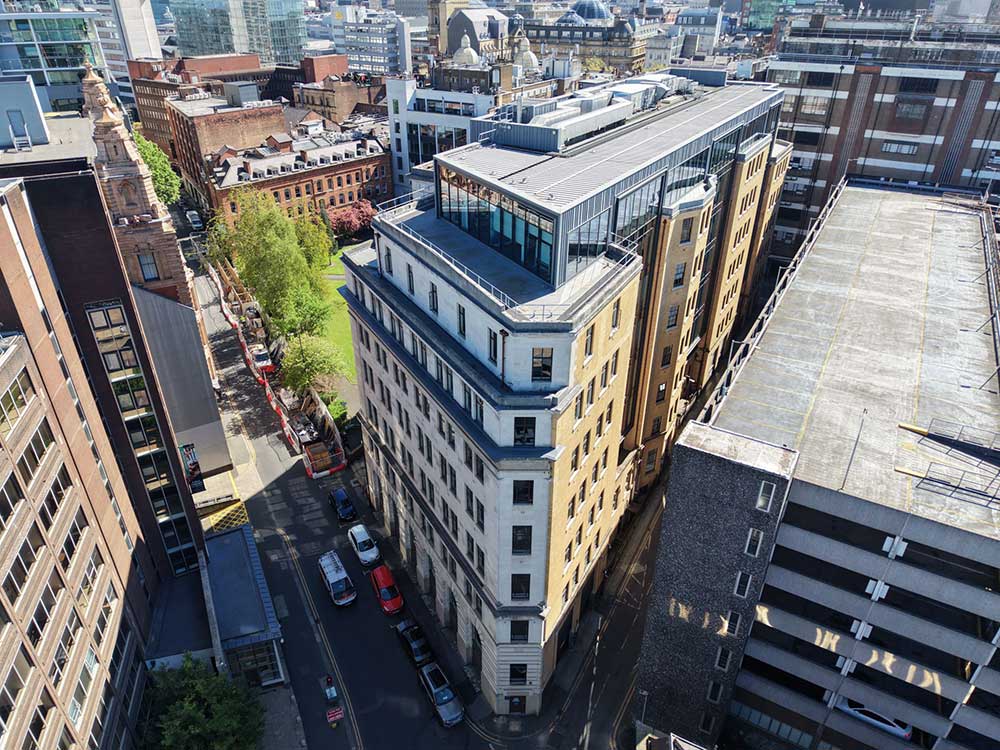
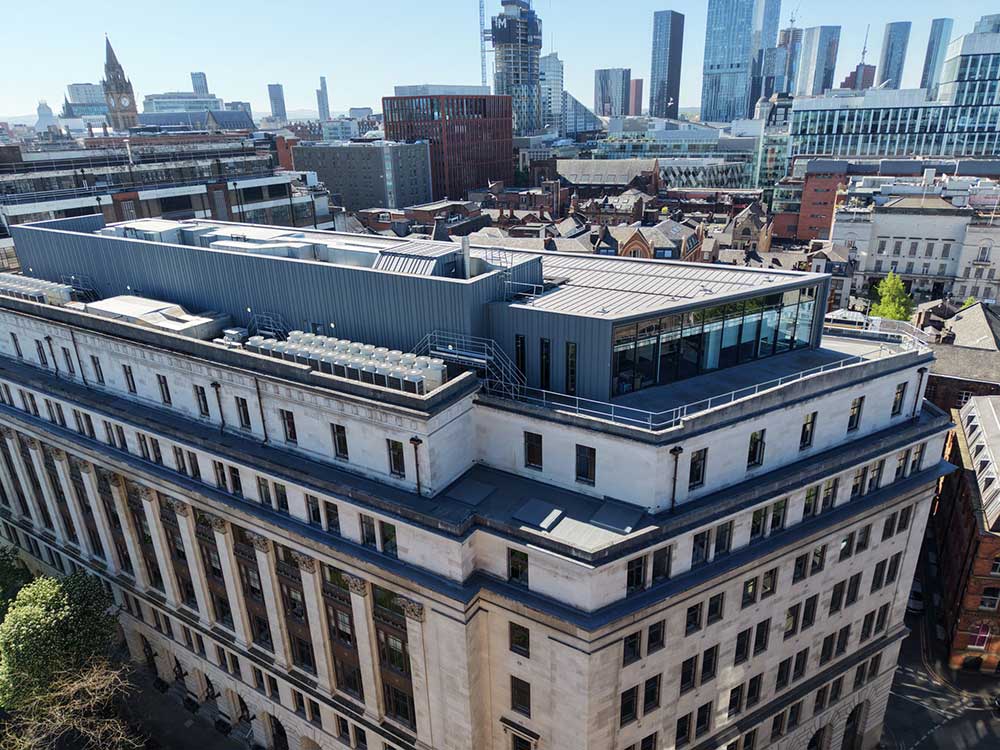
Drone Surveys Unmanned aerial vehicles (UAVs) deliver high-resolution imagery of entire roof areas, including inaccessible sections, without costly access equipment.
Benefits:
- Complete visual record in single visit
- Identification of defects invisible from roof level
- Safer (minimal working at height)
- Faster (reducing business disruption)
- Cost-effective for large or complex roofs
- Historical comparison through successive surveys
When particularly valuable:
- Multi-level roofs with restricted access
- Roofs with fragile materials (asbestos cement, fibre cement)
- Large industrial or retail properties
- Properties where scaffolding costs would be prohibitive
Thermal Imaging Infrared cameras detect temperature differentials indicating:
- Water saturation in insulation or roof build-up
- Air leakage paths
- Insulation deficiencies
- Thermal bridging issues
This non-invasive technology identifies hidden problems that won’t become visible as leaks for months or years, allowing preventive intervention.
Cost addition: £300-£800 but typically identifies issues worth £3,000-£15,000 in avoided future damage
Moisture Meters Invasive (penetrating) or non-invasive moisture detection provides quantified data about water content in roofing materials.
Benefits:
- Precise identification of saturated areas
- Targeted repair planning (avoiding unnecessary work)
- Baseline data for tracking deterioration
- Evidence for insurance claims
The Insurance Implications: What You Must Know
Understanding how roof surveys intersect with insurance coverage is critical for protecting your business.
Policy Conditions and Survey Requirements
Most commercial property insurance policies include clauses similar to these:
“The Insured shall maintain the premises in a good state of repair and take all reasonable precautions to prevent damage.”
“Buildings with roofs over 20 years old require professional inspection reports within the last 12 months.”
“Any damage arising from pre-existing defects, wear and tear, or lack of maintenance is excluded from cover.”
These seemingly standard terms carry significant implications. Insurers increasingly interpret “reasonable precautions” to include regular professional surveys, not just responsive maintenance.
How Survey Documentation Protects You
When a claim arises, comprehensive survey records demonstrate:
- Proactive management – You’ve been conducting regular inspections and addressing identified issues
- Sudden and unforeseen damage – The incident wasn’t caused by gradual deterioration (a common exclusion)
- Compliance with policy terms – You’ve met all requirements for maintaining coverage
- Reasonable precautions – You’ve taken appropriate steps to protect the property
Case study: A hotel suffered roof damage during Storm Babet (October 2023). The insurer initially questioned whether the damage resulted from pre-existing defects or deferred maintenance. The property owner produced:
- Roof survey from six months earlier showing the roof in good condition
- Records of all recommended maintenance being completed
- Post-storm inspection report documenting specific wind damage
The insurer settled the claim (£34,000) within three weeks. Without this documentation, the claim could have been disputed or denied.
Survey Timing and Insurance Cycles
Strategic timing of roof surveys can protect your coverage and premiums:
Before renewal (60-90 days ahead):
- Allows time to address any identified issues before renewal
- Provides current condition data for underwriters
- Demonstrates proactive management (potential premium benefit)
- Identifies any issues that might affect coverage terms
After severe weather:
- Documents storm-related damage separately from pre-existing conditions
- Creates evidence of specific incident causing damage
- Supports claims process
- May be required by policy terms
After completing recommended repairs:
- Verifies works have been properly executed
- Closes out previous survey recommendations
- Provides fresh baseline for future inspections
Regulatory Compliance: The Legal Framework
Beyond insurance, UK regulations create specific obligations regarding commercial roof management.
The Control of Asbestos Regulations 2012
If your property was built or refurbished before 2000, there’s a high probability the roof contains asbestos materials. The regulations impose strict duties on property owners and occupiers.
Your legal obligations:
- Duty to Manage
- Identify whether asbestos is present
- Assess its condition and risk
- Create and maintain an asbestos register
- Implement a management plan
- Monitor condition regularly
- Survey Requirements
- Initial asbestos survey (Management Survey or Refurbishment/Demolition Survey)
- Re-inspection every 6-12 months depending on condition
- Updated surveys before any refurbishment or demolition works
- Information Provision
- Make asbestos register available to contractors
- Inform anyone who might disturb asbestos materials
- Update register when works are completed
Non-compliance penalties:
- Unlimited fines
- Potential imprisonment for serious breaches
- Personal liability for directors and facility managers
- Prohibition notices halting building use
What a compliant asbestos roof survey includes:
- Identification of all asbestos-containing materials
- Material condition assessment and risk rating
- Specific management recommendations
- Asbestos register update
- Certification suitable for HSE inspection
Cost: £500-£1,200 for management survey on typical commercial roof
Building Safety Act 2022 and Roof Responsibilities
While much focus has been on residential buildings post-Grenfell, the Building Safety Act has implications for all commercial properties, particularly regarding:
- Enhanced record-keeping requirements
- Broader definition of “responsible person”
- Increased surveyor duties and liability
- Stronger enforcement powers
What this means for roof surveys: Surveyors are now expected to identify and report not just current defects, but potential safety risks including:
- Fire safety concerns (particularly roof build-up and materials)
- Structural adequacy
- Access and egress safety
- Weatherproofing adequacy affecting building safety
CDM Regulations 2015
Construction Design and Management Regulations affect any refurbishment or significant roof repair works.
Survey implications:
- Pre-construction information must include accurate roof condition data
- Hazards must be identified and documented
- Health and safety file must be updated following works
A comprehensive roof survey provides essential pre-construction information, particularly regarding:
- Asbestos location and condition
- Fragile materials
- Access constraints
- Structural capacity for contractors and materials
Due Diligence: Surveys in Property Transactions
Whether buying, selling, or leasing commercial property, roof surveys play a critical role in protecting your interests.
For Buyers: Essential Protection
Buying commercial property without a specialist roof survey is financial recklessness. Standard building surveys typically provide limited roof assessment—often just visual inspection from ground level.
Why dedicated roof surveys matter:
The roof is typically:
- 15-25% of the building’s replacement value
- Among the most expensive elements to replace (£40-£120+ per sqm)
- Critical to building functionality and tenant satisfaction
- Subject to complex regulatory requirements (asbestos, energy efficiency)
What you should know before exchanging contracts:
- Current condition and remaining life
- Are you buying an imminent capital expenditure requirement?
- When will major replacement/refurbishment be needed?
- Immediate repair requirements
- What must be spent in year one?
- Are there safety or compliance issues?
- Regulatory compliance status
- Asbestos register existence and accuracy
- Energy efficiency (EPC implications)
- Fire safety compliance
- Insurance implications
- Will standard policies cover this roof?
- Are premium loadings likely due to age or condition?
- Long-term cost projections
- Five, ten, fifteen-year capital expenditure forecasts
- Maintenance cost expectations
Real-world impact: A property fund purchased a retail warehouse portfolio (15 units) based on standard building surveys indicating roofs were “serviceable.” A detailed roof survey commissioned six months post-acquisition revealed:
- Seven roofs required replacement within 2-3 years (£420,000)
- Four had unregistered asbestos requiring management (£18,000 for surveys and register creation)
- All required immediate repairs totalling £67,000
Total unforeseen costs: £505,000. A pre-acquisition roof survey (cost: £8,500) would have allowed price renegotiation or informed the purchase decision.
For Sellers: Facilitating Transactions
Commissioning a roof survey before marketing your property provides several advantages:
Transaction efficiency:
- Addresses buyer concerns proactively
- Reduces negotiation friction
- Shortens due diligence period
- Demonstrates professional property management
Price justification:
- Recent survey showing good condition supports asking price
- Evidence of proactive maintenance adds value
- Demonstrates capital expenditure planning
Risk management:
- Identifies issues allowing remediation before marketing
- Prevents surprises during buyer due diligence
- Reduces post-sale disputes
Timing: Commission surveys 3-6 months before intended marketing. This allows time to address any identified issues while the report remains current.
For Landlords: Repairing Obligations and Lease Compliance
Commercial lease agreements typically allocate roof repair responsibilities between landlord and tenant. Understanding your obligations—and ensuring compliance—requires proper survey documentation.
Common lease structures:
Full Repairing and Insuring (FRI) Leases: Tenant responsible for all repairs including roof. However, landlords often retain responsibility for structural elements and must ensure the property is initially in good repair.
What landlords need:
- Pre-lease survey documenting condition (schedule of condition)
- Periodic surveys ensuring tenant compliance with repairing obligations
- End-of-lease survey documenting dilapidations
Internal Repairing Only Leases: Landlord retains roof responsibility.
What landlords need:
- Regular condition surveys maintaining compliance with repairing covenant
- Evidence of responsive repairs to avoid breach of covenant
- Long-term replacement planning and budgeting
Service Charge Properties: Roof repairs recovered through service charges.
What landlords need:
- Surveys supporting service charge budgets
- Evidence justifying major works to tenants
- Compliance documentation protecting against tenant challenges
Dilapidations risk: Without comprehensive survey documentation at lease commencement, landlords struggle to prove deterioration during tenancy, potentially losing dilapidations claims worth thousands.
Choosing the Right Survey Provider
Not all roof survey providers deliver equivalent value. The quality of survey directly impacts its usefulness for insurance, compliance, and decision-making purposes.
Essential Qualifications and Accreditations
NFRC Membership (National Federation of Roofing Contractors): Industry-recognised standard for roofing contractors. NFRC members commit to technical competence, health and safety standards, and professional conduct.
Why it matters for surveys:
- Technical knowledge of diverse roofing systems
- Understanding of industry best practices
- Continuing professional development requirements
- Complaints procedure and standards enforcement
Professional Indemnity Insurance: Minimum £5M coverage for commercial properties. This protects you if survey errors or omissions lead to financial loss.
Health and Safety Accreditations:
- CHAS (Contractors Health and Safety Assessment Scheme)
- SafeContractor
- Constructionline
These verify competent health and safety management—essential for surveys involving roof access.
Technical Certifications: For specialist survey types:
- UKATA (UK Asbestos Training Association) certification for asbestos surveys
- Thermographic certification for thermal imaging
- CAA-approved drone operators for aerial surveys
What to Look for in Survey Providers
Relevant Experience: Commercial roofing differs significantly from residential. Ensure your surveyor has specific experience with:
- Your roof type (flat, pitched, industrial, etc.)
- Your building use (retail, warehouse, office, hospitality)
- Your property size and complexity
Technology Capabilities: Modern surveys should offer:
- Drone photography for comprehensive visual records
- Thermal imaging for hidden defects
- Digital reporting with integrated photography
- Historical comparison capabilities
Report Quality: Request sample reports before committing. Assess:
- Clarity and professionalism
- Photographic documentation quality
- Specificity of recommendations
- Cost estimate accuracy and detail
- Compliance with relevant standards
Response Times: For insurance renewals or property transactions, timely delivery is critical. Clarify turnaround times before commissioning.
Post-Survey Support: Quality providers offer:
- Explanation meetings discussing findings
- Clarification of technical terms or recommendations
- Assistance with insurance submissions
- Support during claims processes
Maximising the Value of Your Survey
A roof survey is only valuable if you act on its findings and leverage it effectively for risk management.
Creating an Action Plan
When you receive your survey report:
1. Immediate Actions (0-3 months): Review all urgent recommendations. These represent immediate risks requiring prompt attention:
- Obtain quotes for urgent repairs (from multiple contractors)
- Schedule works with minimal business disruption
- Notify insurers if significant defects discovered
- Update risk registers and health and safety documentation
2. Short-Term Planning (3-12 months): Budget and schedule short-term recommendations:
- Include in next financial year’s maintenance budget
- Plan around operational requirements (quiet seasons, planned closures)
- Consider combining multiple items for contractor efficiency
3. Medium and Long-Term Forecasting: Use survey data for strategic planning:
- Update capital expenditure forecasts
- Build sinking funds for eventual replacement
- Consider refurbishment vs replacement timing
- Assess energy efficiency improvement opportunities
Leveraging Surveys for Insurance Purposes
At renewal:
- Provide survey to broker/insurer with renewal paperwork
- Highlight compliance with policy terms
- Demonstrate proactive management (potential premium benefit)
- Address any previous insurer concerns
After incidents:
- Provide pre-incident survey showing prior condition
- Commission post-incident survey documenting specific damage
- Use comparison to support “sudden and unforeseen” damage claims
- Demonstrate no pre-existing defects or deferred maintenance
Managing multi-property portfolios:
- Implement rolling survey programme
- Track roof ages and condition across portfolio
- Identify properties requiring priority attention
- Support insurance placement with comprehensive portfolio data
Building Historical Records
The real value of surveys emerges over time through historical comparison:
Year-on-year tracking shows:
- Rate of deterioration
- Effectiveness of maintenance interventions
- Justification for capital expenditure
- Compliance with ongoing management duties
Store all surveys centrally and ensure they’re:
- Readily accessible to facility managers
- Available for contractor reference
- Provided to insurers/surveyors upon request
- Included in property transaction data rooms
Common Pitfalls and How to Avoid Them
Even with good intentions, facility managers often make costly mistakes regarding roof surveys.
Mistake 1: Delaying Surveys to “Save Money”
The trap: Budget constraints lead to survey postponement, particularly if the roof appears problem-free.
The cost: Insurance policy breaches, unidentified deterioration accelerating, loss of documented condition baseline.
The solution: Treat surveys as non-discretionary insurance premiums. They’re part of the cost of maintaining valid coverage and protecting asset value.
Mistake 2: Accepting Inadequate Surveys
The trap: Cheap surveys that provide minimal documentation or superficial assessment.
The cost: False security, inadequate information for decision-making, potential insurance disputes, missed compliance obligations.
The solution: Define survey scope clearly, review sample reports before commissioning, ensure surveyor qualifications match your needs.
Mistake 3: Failing to Act on Recommendations
The trap: Survey sits in a file, recommendations ignored until problems become critical.
The cost: Small issues become expensive failures, potential insurance coverage voidance, regulatory non-compliance.
The solution: Create action plans immediately upon receipt, assign responsibilities for each recommendation, track completion.
Mistake 4: Inadequate Record Keeping
The trap: Surveys not properly filed, difficult to locate when needed (particularly during claims or transactions).
The cost: Loss of valuable documentation, inability to demonstrate compliance, weakened negotiating position in transactions.
The solution: Central digital repository for all survey documentation, clear file naming and organisation, backup systems, accessibility to relevant personnel.
Mistake 5: Using Generalist Building Surveyors for Specialist Roofing Issues
The trap: Assuming standard building surveys provide adequate roof assessment.
The cost: Missed defects, inadequate remediation specifications, underestimated costs, compliance gaps.
The solution: Commission dedicated roof surveys from roofing specialists for all significant assessments (acquisitions, insurance renewals, major works planning).
Implementing a Survey Programme That Works
For organisations managing multiple properties or complex facilities, a structured survey programme delivers consistency and efficiency.
Developing Your Survey Strategy
1. Property Classification: Group properties by:
- Roof age and type
- Risk level (building use, value, tenant sensitivity)
- Regulatory requirements (asbestos presence, etc.)
- Insurance stipulations
2. Survey Frequency Matrix:
High risk properties:
- Annual comprehensive surveys
- Six-monthly visual inspections
- Post-severe weather checks
Medium risk properties:
- Annual visual inspections
- Comprehensive surveys every 2-3 years
- Post-severe weather checks
Lower risk properties:
- Comprehensive surveys every 3-5 years
- Annual self-inspection checklists
- Reactive surveys when issues arise
3. Budget Allocation: Establish dedicated survey budget separate from repair budgets. Typical allocation:
- 0.5-1% of property value for annual survey programme
- Additional contingency for transaction-driven surveys
4. Contractor Framework: Establish relationships with qualified surveyors covering your property locations. Benefits:
- Consistency of reporting
- Better pricing through regular engagement
- Historical knowledge of your properties
- Priority response times
5. Data Management: Implement systems tracking:
- Survey schedules and completion
- Historical condition data
- Remedial works recommendations and completion
- Costs (both surveys and subsequent works)
- Insurance and compliance documents
This data becomes invaluable for portfolio management, budgeting, and strategic planning.
The Financial Case for Regular Surveys
Let’s quantify the return on investment for professional roof surveys through a real-world comparison.
Scenario: 10,000 sqm retail warehouse, 15-year-old single-ply flat roof
Approach A: No Regular Surveys
- Years 1-4: No surveys, responsive repairs only
- Year 5: Major leak develops, extensive damage
- Emergency repairs: £12,000
- Interior damage: £18,000
- Stock loss: £8,000
- Business interruption: £15,000
- Insurance excess: £5,000
- Premium increase (3 years): £4,500
- Total cost: £62,500
- Roof condition: Poor (requires full replacement)
Approach B: Regular Survey Programme
- Annual surveys: £800 × 5 = £4,000
- Preventive repairs identified: £6,500
- Minor emergency repair (caught early): £1,500
- Total cost: £12,000
- Roof condition: Good (15+ years remaining life)
Net benefit: £50,500 over five years
Beyond direct costs, Approach B delivers:
- No business disruption
- No stock loss
- Maintained insurance coverage at standard rates
- Extended roof lifespan (deferred replacement)
- Better property value maintenance
- Demonstrated compliance with all obligations
Next Steps: Building Your Survey Programme
If you’re responsible for commercial property and don’t have a structured roof survey programme in place, here’s how to begin:
Immediate Actions:
- Review insurance policies – Identify specific roof inspection requirements and compliance deadlines
- Assess your current position – When was the last comprehensive roof survey? Do you have adequate documentation?
- Identify high-priority properties – Roofs over 15 years old, properties with recent issues, upcoming insurance renewals, planned transactions
- Commission baseline surveys – Start with highest-risk properties, establish current condition documentation
Three-Month Plan:
- Develop survey schedule – Map out inspection requirements for all properties over next 12-24 months
- Establish contractor relationships – Identify and vet qualified surveyors covering your locations
- Create documentation systems – Implement organised storage for survey reports and related documentation
- Budget allocation – Build survey costs into operational budgets
- Action planning – Create process for reviewing survey findings and implementing recommendations
Ongoing Programme:
- Calendar management – Schedule surveys in advance, ensuring timely completion before insurance renewals or compliance deadlines
- Findings review – Assign responsibility for reviewing each survey and creating action plans
- Works tracking – Monitor completion of recommended repairs and maintenance
- Performance monitoring – Track costs, benefits, and programme effectiveness
- Continuous improvement – Refine approach based on experience and changing requirements
Conclusion: Surveys as Strategic Risk Management
Professional roof surveys are far more than technical inspections. They’re a strategic risk management tool protecting your organisation against financial loss, regulatory penalties, and operational disruption.
In an environment of:
- Stringent insurance underwriting
- Expanding regulatory obligations
- Rigorous transaction due diligence
- Unpredictable weather patterns
- Rising repair costs
The businesses that thrive are those treating building assets as active management responsibilities rather than passive holdings. Your roof protects everything beneath it—the building structure, the contents, the operations, the people. Professional surveys ensure that protection remains intact.
The cost of comprehensive roof surveys—typically £400-£1,500 annually—pales in comparison to the risks they mitigate: denied insurance claims worth tens of thousands, failed property transactions, regulatory fines, accelerated roof deterioration, and business disruption.
For facility managers, property directors, and commercial landlords, the question isn’t whether you can afford professional roof surveys—it’s whether you can afford to operate without them.
Need to commission a comprehensive commercial roof survey? Professional assessments using the latest technology including drone surveys and thermal imaging provide the detailed documentation required for insurance compliance, regulatory obligations, and informed property management decisions. Ensure your commercial properties are properly protected with survey programmes tailored to your specific requirements.