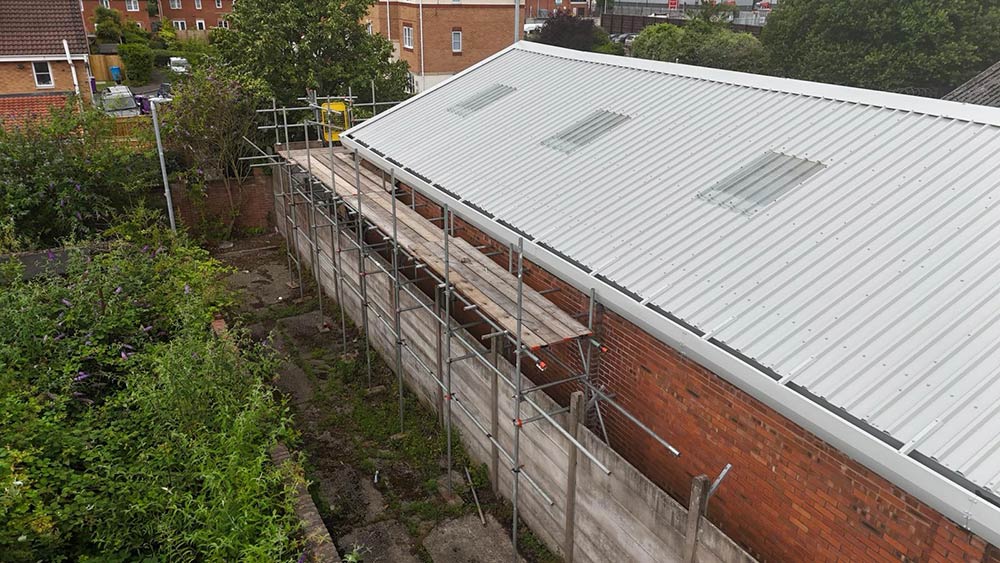
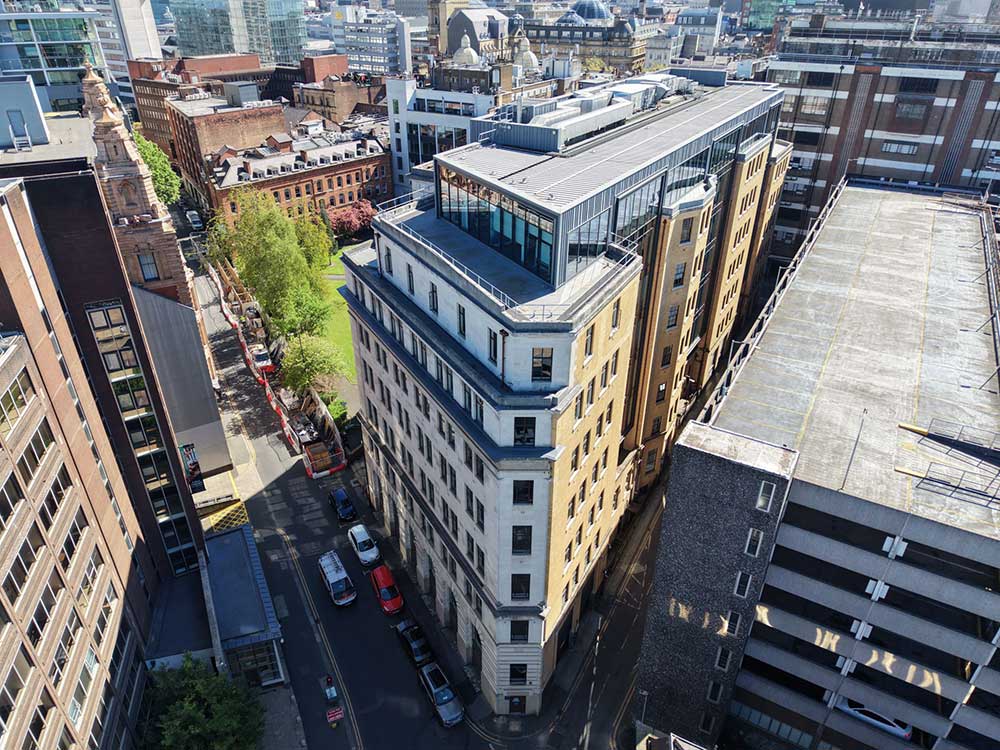
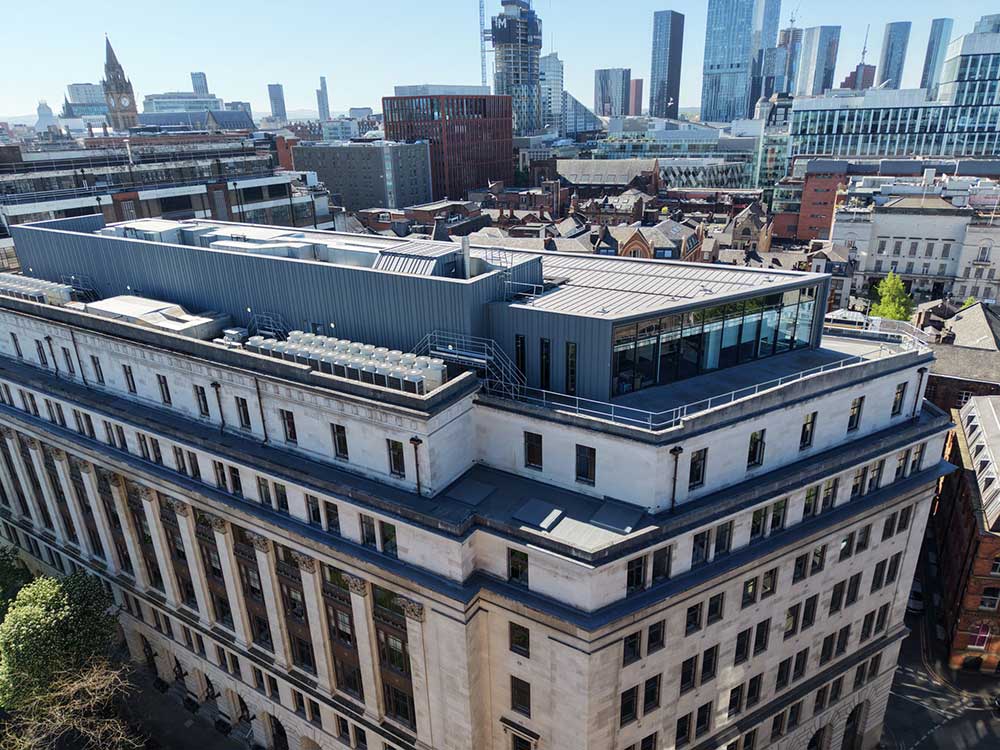
The fundamental roof design decision—flat versus pitched—shapes every aspect of a commercial building’s long-term performance, maintenance requirements, and lifecycle costs. Yet this choice often defaults to convention (warehouses get flat roofs, retail parks get pitched) or initial construction cost (flat roofs typically cheaper to build) without systematic analysis of which design actually delivers superior longevity under UK climate conditions. The question facility managers and property developers should ask isn’t “which costs less to install” but rather “which lasts longer, requires less maintenance, and delivers better total cost of ownership over 30-40 years of UK weather exposure?”
The answer challenges common assumptions. While pitched roofs enjoy reputations for longevity—the image of centuries-old slate roofs on historic buildings suggests inherent superiority—modern commercial reality tells a more nuanced story. Flat roof technology has advanced dramatically with single-ply membranes, improved drainage design, and better installation practices delivering 25-30+ year service lives. Meanwhile, commercial pitched roofs face their own vulnerability to UK weather—wind uplift on large roof planes, thermal movement stresses, and maintenance access challenges that flat roofs avoid. The true longevity comparison depends on specific materials, installation quality, maintenance consistency, and critically, understanding how UK climate patterns—persistent rain, freeze-thaw cycles, wind exposure, and modest but variable UV—affect each roof type differently.
This analysis provides comprehensive comparison of flat versus pitched roof longevity in UK commercial contexts, examines how each design responds to specific UK weather stresses, identifies failure points and maintenance requirements determining actual service life, and establishes decision framework enabling informed roof selection based on realistic performance expectations rather than assumptions or construction cost alone.
Defining the Contenders: Modern Commercial Roof Types
Understanding longevity comparison requires defining what “flat” and “pitched” mean in contemporary commercial construction.
Flat Roofs (Low-Slope Roofs)
Technical definition: Roofs with pitch less than 10 degrees (typically 1:60 to 1:40 fall for drainage)
Common commercial flat roof systems:
Single-ply membranes (dominant modern choice):
- EPDM (synthetic rubber): 1.2-1.5mm thickness, mechanically attached or adhered
- TPO (thermoplastic): 1.2-2.0mm, heat-welded seams
- PVC: 1.2-2.0mm, heat-welded seams
- Expected lifespan: 25-30 years with proper maintenance
Built-up felt (traditional, declining):
- 3 layers bituminous felt, mineral chippings
- Expected lifespan: 15-20 years, maintenance-intensive
Liquid-applied membranes:
- Polyurethane, acrylic, or silicone coatings
- Expected lifespan: 15-25 years depending on system
Green roofs:
- Vegetated systems over waterproofing membrane
- Expected lifespan: 40-60 years (waterproofing protected by substrate)
Typical applications: Warehouses, distribution centers, retail parks, office buildings, industrial facilities, schools
Pitched Roofs (Sloped Roofs)
Technical definition: Roofs with pitch exceeding 10 degrees (typically 15-35 degrees for commercial applications)
Common commercial pitched roof systems:
Metal roofing (dominant for large commercial):
- Standing seam steel/aluminum: 0.7-0.9mm gauge, concealed fixings
- Profiled steel sheeting: through-fixed, various profiles
- Expected lifespan: 30-50 years depending on coating quality and maintenance
Concrete/clay tiles:
- Interlocking tiles on battens
- Expected lifespan: 40-60 years for tiles, 20-30 years for underlays/battens requiring replacement
Fibre cement sheets:
- Large-format sheets, through-fixed
- Expected lifespan: 25-35 years depending on quality
Built-up shingles (rare in UK commercial):
- Bituminous shingles
- Expected lifespan: 20-30 years
Typical applications: Retail units, small commercial buildings, pitched roof warehouses, office buildings with architectural requirements
The Longevity Variables
Actual service life for both flat and pitched roofs depends on:
Material quality: Premium materials outlast economy options by 50-100%
Installation quality: Poor installation reduces lifespan 30-50% regardless of material grade
Maintenance consistency: Well-maintained roofs exceed design life; neglected roofs fail prematurely
Environmental exposure: Coastal, industrial, or high-altitude locations accelerate degradation
Building use: Internal moisture from swimming pools, industrial processes, or high-occupancy affects roof systems differently
Structural movement: Building settlement, thermal expansion, or inadequate design creates stress failures
The question isn’t “which type lasts longer” abstractly but “which type delivers superior longevity in your specific commercial application under UK conditions with realistic maintenance”
UK Climate Stress Factors: How Weather Affects Each Roof Type
British weather creates specific degradation mechanisms affecting flat and pitched roofs differently.
Persistent Moisture and Drainage Performance
UK reality: 150+ rainfall days annually (western regions), 100+ days (eastern regions). Roofs rarely fully dry between rain events.
Flat roof response:
Strengths:
- Modern membranes (EPDM, TPO, PVC) are impermeable and moisture-resistant
- No laps or overlaps at slope (unlike pitched)—continuous membrane reduces leak points
- Properly designed falls and drainage remove water efficiently
Vulnerabilities:
- Any drainage inadequacy creates ponding (standing water >48 hours)
- Ponding accelerates membrane degradation through:
- Continuous water immersion softening membrane
- Biological growth (algae, moss) in persistent moisture
- Freeze-thaw damage in standing water
- UV degradation amplified by water lens effect
- Blocked outlets cause catastrophic water accumulation
- Settlement or structural deflection creates new low points defeating original drainage design
Critical factor: Drainage maintenance discipline determines flat roof longevity. Well-drained flat roofs handle UK rain excellently. Poorly-drained flat roofs fail prematurely from ponding damage.
Pitched roof response:
Strengths:
- Gravity drainage is inherent—water sheds rapidly from all surfaces
- Minimal ponding even with blocked gutters (water overflows rather than accumulating on roof)
- Laps and overlaps designed for water shedding (shingles, tiles overlap down-slope)
Vulnerabilities:
- Driving rain penetrates through laps during wind-driven weather
- Gutter and valley flooding from high-intensity rainfall
- Ice dam formation at eaves in winter (melting snow refreezes at cold eaves)
- Wind-driven rain enters through ventilation or poorly-sealed penetrations
Critical factor: Pitched roofs shed water reliably regardless of maintenance. However, wind-driven rain and ice dams create leak risks flat roofs don’t face.
UK climate advantage: Pitched roofs handle persistent UK rain marginally better due to inherent drainage. Flat roofs match performance only with disciplined drainage maintenance.
Freeze-Thaw Cycling Damage
UK reality: 20-50 freeze-thaw cycles annually depending on location. Temperatures oscillate around 0°C throughout winter rather than sustained deep cold.
Flat roof response:
Material vulnerability:
- Standing water (ponding) freezes, expanding 9% creating membrane stress
- Repeated freeze-thaw of ponded water causes progressive membrane cracking
- Insulation moisture (from leaks or condensation) expands when frozen potentially delaminating roof build-up
- Substrate (concrete deck) frost damage if moisture present
Modern membrane resistance:
- EPDM, TPO, PVC remain flexible at -40°C to -50°C—UK winter temperatures (-5°C to -10°C typical) are well within operating range
- Properly installed membranes without ponding resist freeze-thaw excellently
Failure scenario: Flat roofs with ponding experience accelerated freeze-thaw damage. Dry, well-drained flat roofs resist freeze-thaw as well as pitched roofs.
Pitched roof response:
Material vulnerability:
- Tiles/slates expand/contract during freeze-thaw cycling causing slight movement at fixings
- Underlays (breathable membranes) can embrittle from freeze-thaw in exposed locations
- Standing seam metal roofs experience thermal movement (expansion/contraction) during temperature cycling
Drainage advantage: Pitched roofs rarely retain water allowing freeze-thaw. Exception: ice dams at eaves trap melting snow causing localized freeze-thaw damage and potential leak paths under tiles/shingles.
UK climate advantage: Minimal difference. Both roof types handle UK freeze-thaw if properly maintained. Flat roofs vulnerable only when ponding present.
Wind Uplift and Storm Damage
UK reality: Atlantic weather systems bring sustained moderate winds (30-50 mph common) with periodic storms (60-80+ mph). Coastal and elevated locations experience higher average wind speeds.
Flat roof response:
Uplift mechanism: Wind flowing over flat roof creates negative pressure (suction) on roof surface attempting to lift membrane from deck. Uplift force increases with wind speed squared (double wind speed = 4× uplift force).
Attachment method criticality:
Fully-adhered membranes:
- Bonded continuously to substrate with adhesive
- Extremely high wind resistance (survives 100+ mph in testing)
- UK storm winds rarely challenge properly-adhered systems
Mechanically-attached membranes:
- Fasteners at 200-400mm spacing depending on wind zone
- Good wind resistance when properly designed for location
- Edge details critical—uplift concentrates at roof perimeters
Ballasted systems:
- Stone or pavers hold membrane down through weight
- Excellent wind resistance on appropriate buildings
- Protected from wind-driven debris damage
Vulnerability points:
- Edge details and perimeters (highest uplift forces)
- Penetrations (equipment, pipes) creating stress concentration
- Poorly-fastened mechanical systems losing fasteners allowing progressive failure
- Age-related adhesive degradation in adhered systems
Pitched roof response:
Uplift mechanism: Wind over pitched surface creates both uplift (suction on windward slope) and downforce (pressure on leeward). Net effect typically uplift on shallow pitches, more complex on steeper pitches.
Attachment method criticality:
Through-fixed metal roofing:
- Direct fasteners through sheeting into purlins
- Fastener backing-out from thermal cycling creates progressive wind vulnerability
- Edge details critical—perimeter fixings must resist concentrated uplift
Standing seam metal:
- Concealed fixings via clips
- Excellent wind resistance—clips and seams designed for high uplift
- Minimal penetrations reducing leak risk
Tiles/slates:
- Mechanical fixings (nails/clips) hold tiles against uplift
- Some tiles rely partly on weight—vulnerable to uplift in exposed locations
- Individual tile loss creates cascade failure potential as wind enters beneath adjacent tiles
Vulnerability points:
- Ridge and hip details where uplift forces peak
- Gable ends and corners (high local wind speeds)
- Individual fastener failures allowing progressive damage
- Large roof planes creating substantial uplift forces on fixing systems
UK climate advantage: Flat roofs (fully-adhered or ballasted) typically superior wind resistance to through-fixed pitched roofs. Standing seam pitched roofs match flat roof wind performance. Tiled pitched roofs most vulnerable to UK storms.
UV Degradation and Solar Exposure
UK reality: Moderate UV intensity (lower latitude than Mediterranean but significant summer exposure). Variable cloud cover creates UV cycling rather than sustained exposure.
Flat roof response:
Direct exposure: Horizontal orientation maximizes UV exposure—summer sun strikes surface at near-perpendicular angles.
Material-specific degradation:
EPDM (black rubber):
- Inherently UV-resistant—designed for exposed applications
- Minimal degradation from UV over decades
- Surface may chalk slightly (cosmetic, not structural)
TPO/PVC (typically white):
- High UV resistance from titanium dioxide pigments
- Reflective white surface reduces heat absorption
- Minimal UV degradation over 25-30 years
Built-up felt (mineral chippings):
- Chippings protect bitumen from direct UV
- Loses chippings over time exposing bitumen to UV degradation
- UV damage accelerates aging—primary reason for 15-20 year lifespan
Thermal cycling: Flat surfaces experience greater temperature extremes:
- Summer: Dark surfaces reach 60-80°C in direct sun
- Winter: Clear nights allow radiative cooling below air temperature
- Daily cycling stresses materials through expansion/contraction
Pitched roof response:
Reduced UV per unit area: Angled surfaces receive less UV per square meter than horizontal surfaces (lower angle of incidence except at solar noon).
Material-specific degradation:
Metal roofing (coated steel):
- Coating quality determines UV resistance
- Premium coatings (Plastisol, PVDF) resist UV 25-40 years
- Economy polyester coatings degrade faster (15-25 years), chalking and fading
- Substrate unaffected—coating protects steel from UV
Tiles/slates (clay/concrete/natural stone):
- Minimal UV degradation—inorganic materials resist UV excellently
- Color fade possible (concrete tiles) but structural integrity unaffected
- Underlays (bituminous felt or breathable membranes) protected from UV by tiles
Thermal cycling: Pitched roofs experience similar thermal cycling but typically lower peak temperatures (ventilation and angled sun reduces maximum surface temperature to 50-70°C vs. 60-80°C for flat).
UK climate advantage: Minimal difference. UK UV levels moderate compared to southern Europe—both roof types handle UK UV well with appropriate materials. Flat roofs experience marginally higher UV exposure but modern membranes resist this excellently.
Maintenance Requirements: The Longevity Multiplier
Theoretical material lifespan means little without understanding maintenance demands preserving that lifespan.
Flat Roof Maintenance Essentials
Critical maintenance (failure to perform reduces lifespan 30-50%):
Quarterly drainage inspection and clearing:
- Outlets checked for blockage
- Debris removed from roof surface
- Leaf guards cleaned
- Downpipes verified clear
- Time: 1-2 hours per visit
- Cost: £150-£300 per visit
- Annual cost: £600-£1,200
Bi-annual comprehensive inspection:
- Membrane condition assessment
- Seam/joint integrity verification
- Flashing and detail inspection
- Penetration sealing check
- Time: 2-3 hours including report
- Cost: £400-£600 per inspection
- Annual cost: £800-£1,200
Prompt minor repairs:
- Small leaks sealed immediately
- Damaged areas patched
- Worn flashings replaced
- Cost: £500-£1,500 annually average
Periodic biological growth treatment:
- Moss/algae removal and treatment
- Frequency: every 2-3 years typical
- Cost: £300-£600 per treatment
Total annual maintenance (2,000 m² commercial flat roof): £2,000-£4,000
Consequences of neglected maintenance:
- Blocked drainage creates ponding reducing lifespan from 30 years to 18-22 years
- Unaddressed minor leaks become major failures requiring premature replacement
- Biological growth accelerates membrane degradation
- Minor problems (£500 repairs) become major failures (£15,000+ section replacements)
Pitched Roof Maintenance Essentials
Critical maintenance:
Annual gutter and valley clearing:
- Leaf and debris removal from gutters
- Valley areas cleared ensuring drainage
- Downpipes rodded clear
- Time: 2-4 hours depending on roof complexity
- Cost: £200-£500 per visit
- Annual cost: £200-£500
Bi-annual visual inspection:
- Tile/sheet integrity check from ground/drone
- Ridge and hip detail inspection
- Flashing condition assessment
- Gutter alignment verification
- Cost: £300-£500 per inspection
- Annual cost: £600-£1,000
Tile/fastener replacement:
- Individual damaged tiles replaced
- Backed-out fasteners tightened/replaced
- Frequency: As needed, varies by exposure
- Cost: £400-£1,200 annually for exposed locations
Coating maintenance (metal roofs):
- Inspection for coating degradation
- Spot repairs to damaged coating
- Full recoating every 15-25 years
- Annual inspection/spot repair: £300-£600
Total annual maintenance (2,000 m² commercial pitched roof): £1,500-£3,300
Consequences of neglected maintenance:
Metal roofs:
- Backed-out fasteners allow progressive wind damage
- Coating failures expose substrate to corrosion
- Minor corrosion becomes perforation requiring panel replacement
Tiled roofs:
- Individual tile loss allows water ingress damaging underlays and battens
- Underlay failure (after 20-25 years) requires complete re-roofing even if tiles intact
- Valley and flashing failures cause localized leaks damaging roof structure
Maintenance Cost Comparison
Flat roof: £2,000-£4,000 annually (average £3,000)
Pitched roof: £1,500-£3,300 annually (average £2,400)
Pitched roof maintenance advantage: 20% lower annual costs
However, pitched roofs face periodic major expenses:
- Underlay replacement: £60-£100 per m² (every 20-25 years)
- Complete recoating (metal): £25-£40 per m² (every 20-30 years)
These periodic costs partially offset annual maintenance savings.
Failure Modes and Longevity Killers
Understanding how each roof type fails reveals longevity determinants.
Flat Roof Common Failures
Ponding damage (40% of premature failures):
- Inadequate falls or settlement creates permanent low spots
- Standing water degrades membrane through continuous immersion
- Freeze-thaw cycling in ponded areas causes cracking
- Solution: drainage correction or tapered insulation installation
- Prevention: proper initial design and drainage maintenance
Seam failures (25% of premature failures):
- Tape-seamed EPDM separates from poor installation or aging
- Heat-welded seams (TPO/PVC) fail from inadequate welding
- Traffic or thermal movement stresses seams
- Solution: seam repair or reinforcement
- Prevention: quality installation by experienced contractors, avoid membrane traffic
Flashing failures (20% of premature failures):
- Penetrations, parapets, and detail work develop leaks
- Thermal movement or building settlement stresses flashings
- UV and weather degrade exposed flashing materials
- Solution: flashing replacement or reinforcement
- Prevention: robust initial details, regular inspection/maintenance
Membrane puncture/damage (10% of premature failures):
- Foot traffic damage from trades or maintenance
- Impact from falling debris, tools, or equipment
- Ponding-related biological growth penetrating membrane
- Solution: patch repairs
- Prevention: walkway systems, access restrictions, regular inspections
Insulation moisture/degradation (5% of premature failures):
- Leaks or condensation saturate insulation
- Wet insulation loses R-value and promotes membrane degradation
- Solution: insulation replacement with leak correction
- Prevention: vapor barriers, prompt leak repair
Pitched Roof Common Failures
Fastener backing-out (metal roofs – 30% of failures):
- Thermal cycling causes fasteners to loosen over years
- Backed-out fasteners allow water ingress and wind uplift
- Progressive failure as additional fasteners stress
- Solution: fastener tightening program or replacement
- Prevention: quality installation, periodic inspection/maintenance
Coating degradation (metal roofs – 25% of failures):
- UV and weather degrade protective coatings
- Exposed substrate corrodes creating leaks
- Accelerates in coastal or industrial atmospheres
- Solution: recoating before substrate damage
- Prevention: periodic coating inspection, timely recoating
Underlay failure (tiled roofs – 30% of failures):
- Breathable membranes or felt underlays deteriorate after 20-25 years
- Failed underlays allow water penetration damaging battens/structure
- Requires complete roof strip and re-lay even if tiles intact
- Solution: complete underlay replacement
- Prevention: none—underlays have finite lifespan requiring replacement
Tile breakage/loss (15% of failures):
- Individual tiles crack from frost, impact, or age
- Wind uplift removes poorly-fixed tiles
- Cascade effect as missing tiles expose others to wind
- Solution: tile replacement
- Prevention: quality installation, regular inspection
Valley and flashing leaks (10% of failures):
- Valley linings corrode or seal failures develop
- Flashing at walls/penetrations deteriorates
- Water ingress at these critical details damages structure
- Solution: valley/flashing replacement
- Prevention: quality materials initially, regular inspection
Real-World Longevity: Case Study Evidence
Theoretical lifespans versus actual service lives from commercial property portfolios.
Case Study 1: Retail Park (Mixed Roof Types)
Location: Midlands, UK Properties: 8 retail units built 1995-1997
Roof specifications:
- Units 1-4: Flat roofs, 3-layer built-up felt
- Units 5-8: Pitched roofs, profiled steel sheeting, polyester coating
Maintenance approach: Reactive (minimal planned maintenance)
30-year outcomes (1995-2025):
Flat roofs (Units 1-4):
- Original roofs lasted 16-19 years (failed 2011-2014)
- Failures: ponding damage, biological growth, general deterioration
- Replacement: Single-ply EPDM installed 2011-2014
- Replacement cost: £65-£80 per m² (£130,000-£160,000 per unit)
- Current status (2025): EPDM roofs 11-14 years old, good condition
- Expected total lifespan (original + replacement): 40-45 years for building lifecycle
Pitched roofs (Units 5-8):
- Original roofs still in service at 30 years
- Fasteners retightened 2015 (£8,000-£12,000 per unit)
- Coating showing degradation, recoating needed within 5 years
- Expected recoating cost: £35,000-£45,000 per unit
- Expected total lifespan: 40-50 years before major replacement
Analysis: Pitched roofs lasted longer before major expense, but both roof types achieving similar building-lifecycle performance (40-50 years). Flat roofs failed sooner due to reactive maintenance—planned maintenance would likely have extended to 22-25 years before replacement. Pitched roofs benefiting from inherent drainage but facing expensive recoating.
Case Study 2: Industrial Warehouse (Flat Roof, Planned Maintenance)
Location: Yorkshire, UK Building: 5,000 m² warehouse, built 1992
Roof specification:
- Flat roof, 3-layer built-up felt with mineral chippings
- Regular maintenance program since 1995 (new facilities manager)
Maintenance history:
- Bi-annual inspections: £600 each (£1,200/year)
- Quarterly drainage clearing: £250 each (£1,000/year)
- Annual repairs: £1,500-£3,000 average
- Total annual cost: £3,700-£5,200
33-year outcome (1992-2025):
- Original roof still in service (33 years old)
- Good condition for age with no major failures
- Small section replacements: 2008 (15%), 2018 (12%), 2024 (8%)
- Total maintenance cost 1995-2025: £110,000-£156,000 (30 years)
Expected remaining life: 2-5 years before full replacement needed
Analysis: Planned maintenance extended built-up felt roof to 35-38 years—far exceeding typical 15-20 year lifespan for this system. Annual maintenance cost (£3,700-£5,200) plus section replacements (£45,000 total) = £155,000-£201,000 over 30 years. Compare to replacement at year 20: £200,000+ plus annual maintenance on new roof (£60,000 over 10 years) = £260,000+ by year 30. Planned maintenance saved £60,000-£105,000 while extending original roof.
Case Study 3: Office Building (Standing Seam Metal Roof)
Location: Edinburgh, UK Building: 3-storey office, built 2005
Roof specification:
- Pitched roof (15-degree pitch), standing seam aluminum, PVDF coating
- Minimal planned maintenance (reactive approach)
20-year outcome (2005-2025):
- Roof remains in excellent condition at 20 years
- No coating degradation visible
- No leaks or failures
- Maintenance performed: gutter clearing 2× annually (£400/year = £8,000 total)
- No repairs required
Expected remaining life: 25-30+ years before coating renewal or replacement
Analysis: Premium materials (aluminum, PVDF coating) combined with inherent pitched roof drainage delivering exceptional longevity with minimal maintenance. Total 20-year cost: £8,000. Projected 50-year lifecycle cost: £20,000 maintenance + possible £80,000-£120,000 coating renewal at year 40-50 = £100,000-£140,000 total. Compare to flat roof over same period: initial £100,000 + replacement at year 25 £100,000 + maintenance £100,000 = £300,000. Pitched metal roof 54-67% lower lifecycle cost for this building.
The Lifecycle Cost Reality: 40-Year Comparison
Total cost of ownership over building lifecycle reveals true economic comparison.
Scenario Parameters
Building: 2,000 m² commercial roof Climate: UK average exposure Maintenance: Planned preventive approach (both roof types) Timeline: 40 years
Flat Roof Lifecycle (Single-Ply Membrane)
Initial installation (Year 0):
- Material and installation: £100,000 (£50/m²)
Annual maintenance (Years 1-27):
- £3,000/year × 27 years = £81,000
Replacement (Year 28):
- New single-ply membrane: £110,000 (inflation-adjusted)
Annual maintenance (Years 28-40):
- £3,500/year × 12 years = £42,000
Total 40-year cost: £333,000
Average annual cost: £8,325
Pitched Roof Lifecycle (Standing Seam Metal, PVDF Coating)
Initial installation (Year 0):
- Material and installation: £140,000 (£70/m²)
Annual maintenance (Years 1-40):
- £2,400/year × 40 years = £96,000
Coating renewal (Year 30):
- Re-coating existing panels: £70,000
Total 40-year cost: £306,000
Average annual cost: £7,650
Pitched roof lifecycle advantage: 8% lower total cost despite 40% higher initial installation
Flat Roof Lifecycle (Budget Built-Up Felt)
Initial installation (Year 0):
- Material and installation: £80,000 (£40/m²)
Annual maintenance (Years 1-18):
- £3,500/year × 18 years = £63,000
Replacement (Year 19):
- Single-ply upgrade: £105,000
Annual maintenance (Years 19-40):
- £3,000/year × 21 years = £63,000
Total 40-year cost: £311,000
Average annual cost: £7,775
Pitched Roof Lifecycle (Profiled Steel, Polyester Coating)
Initial installation (Year 0):
- Material and installation: £100,000 (£50/m²)
Annual maintenance (Years 1-40):
- £2,600/year × 40 years = £104,000
Fastener maintenance (Years 15, 25, 35):
- £12,000 × 3 = £36,000
Coating renewal (Year 25):
- Re-coating: £55,000
Total 40-year cost: £295,000
Average annual cost: £7,375
Pitched roof lifecycle advantage: 5% lower total cost
Key Lifecycle Insights
Premium materials matter more than roof type:
- Standing seam metal (pitched): £306,000
- Profiled steel (pitched): £295,000
- Single-ply membrane (flat): £333,000
- Built-up felt (flat): £311,000
Premium pitched roof costs similar to budget flat roof. Budget pitched roof most economical overall.
Higher initial cost doesn’t mean higher lifecycle cost: Standing seam metal costs 40% more initially (£140k vs £100k) but delivers lower total cost than single-ply flat roof through reduced maintenance and single coating renewal versus full replacement.
Maintenance consistency matters more than roof type: Well-maintained flat roofs last 25-30 years. Neglected pitched roofs fail at 18-22 years. Maintenance discipline determines longevity regardless of roof type.
Decision Framework: Which Roof Type for Your Building?
Roof type selection should match building characteristics, use, and owner priorities.
Choose Flat Roof When:
Building characteristics favor flat:
- Large footprint (warehouses, distribution centers) – pitched roofs expensive at scale
- Rooftop equipment planned (HVAC, solar) – flat roofs provide accessible platform
- Future expansion possible – flat roofs easier to modify/extend
- Low building height – pitched roof adds unnecessary height
Budget constraints exist:
- Lowest initial capital cost required
- Willing to accept higher maintenance commitment
- Budget-conscious project with reactive ownership
Building use accepts maintenance:
- Industrial/warehouse uses tolerating periodic access disruption
- Owner has facilities management capability for regular maintenance
- Building occupants unaffected by roof work
Choose Pitched Roof When:
Building characteristics favor pitched:
- Smaller footprint (retail units, offices <2,000 m²) – pitched economical at this scale
- Architectural requirements for pitched aesthetic
- Heritage or planning constraints requiring traditional appearance
- Noise-sensitive uses (offices, hotels) – pitched roofs provide better acoustic insulation
Minimal maintenance desired:
- Owner lacks facilities management for regular maintenance
- Remote locations making routine access difficult
- Long-term hold expecting minimal intervention
- Tenant-occupied buildings where landlord wants minimal disruption
Premium longevity prioritized:
- Owner accepting higher initial cost for reduced lifecycle intervention
- Buildings where roof access complicated (height, listed status)
- Situations where business disruption from roof failures extremely costly
Hybrid Approach: Flat + Pitched
Some commercial buildings benefit from combining roof types:
Main building flat roof (warehouse/production areas):
- Economical for large areas
- Accommodates rooftop equipment
- Accessible for maintenance
Office areas pitched roof:
- Better aesthetics for visible areas
- Superior acoustic performance for quiet spaces
- Lower maintenance for occupied zones
Cost optimization: Use appropriate roof type for each building zone rather than forcing single solution across diverse uses.
Conclusion: Longevity Through Appropriate Selection and Maintenance
The question “which roof type lasts longer” has no universal answer—both flat and pitched roofs achieve 25-50+ year service lives when properly designed, installed, and maintained for UK climate conditions. The critical variables determining actual longevity are material quality, installation workmanship, and maintenance consistency rather than the fundamental design choice between flat and pitched.
For commercial property owners and facility managers, the evidence suggests:
Flat roofs excel when:
- Initial capital cost is paramount
- Building footprint is large (>3,000 m²)
- Owner has strong facilities management supporting regular maintenance
- Rooftop equipment or future modifications likely
- Building use tolerates periodic maintenance access
Pitched roofs excel when:
- Lifecycle cost optimization matters more than initial cost
- Minimal maintenance intervention desired
- Building footprint is moderate (<2,000 m²)
- Noise-sensitive uses require superior acoustic performance
- Aesthetic requirements favor traditional appearance
Both roof types deliver similar 40-year lifecycle costs (within 5-10%) when comparing equivalent quality levels—the difference lies in cost timing (flat roofs backload costs into replacement, pitched roofs frontload into installation) rather than total expenditure.
The true longevity determinant for either roof type is maintenance discipline. Well-maintained flat roofs exceed 30 years routinely. Neglected pitched roofs fail at 18-22 years. The £2,000-£3,500 annual maintenance investment delivers 40-60% lifespan extension regardless of roof type—this investment matters far more than the design choice between flat and pitched.
RMLFS maintains both flat and pitched commercial roofs across retail, industrial, office, and mixed-use portfolios. Our experience enables honest assessment of which roof type suits your specific building, realistic lifecycle cost projections, and maintenance programs preserving whichever design you select. We don’t advocate for flat or pitched roofs universally—we recommend the solution optimized for your building’s characteristics, budget, and operational constraints.
Contact RMLFS to discuss roof selection for new construction or roof replacement projects. Whether your building benefits from economical flat roof construction or long-life pitched roof installation, we’ll provide objective analysis supporting informed decisions based on realistic longevity expectations, total lifecycle costs, and maintenance requirements. Your commercial roof deserves the design that optimizes performance and cost for your specific application—let our experience ensure you select wisely.