For commercial property managers, a roof failure isn’t just an inconvenience—it’s a crisis that can halt operations, damage inventory, and drain budgets. Yet most businesses only address roof problems after water starts dripping onto expensive equipment or disrupting daily operations. By then, what could have been a simple repair has escalated into an emergency requiring extensive remediation.
The reality is that flat roofs rarely fail without warning. Understanding the early indicators of deterioration allows you to act proactively, scheduling repairs during convenient times rather than scrambling to respond to an emergency. This article walks you through the visible signs of flat roof aging and damage, explains what each symptom means for your building, and outlines the substantial savings that come from catching problems early.
The Cost of Reactive vs. Proactive Roof Management
Before diving into specific warning signs, it’s worth understanding what delayed action costs your business. When property managers wait for obvious leaks to appear, they often face a cascade of expenses beyond the roof repair itself. Water intrusion damages ceiling tiles, insulation, electrical systems, and merchandise. Business interruptions lead to lost revenue. Emergency repairs cost significantly more than scheduled maintenance, and contractors may charge premium rates for urgent service.
In contrast, addressing minor issues during routine inspections typically costs a fraction of emergency repairs. A small section of membrane damage might require a few hundred dollars to patch properly, while waiting until that same area causes interior water damage could result in thousands in combined roofing and restoration costs. Proactive maintenance also extends your roof’s overall lifespan, delaying the substantial capital expense of full replacement.
Visual Indicators You Can Spot from Ground Level
Many early warning signs of flat roof failure are visible during a simple exterior walkthrough. While comprehensive inspections require professional assessment, property managers can identify concerning symptoms that warrant closer examination.
Ponding water is one of the most common and problematic issues with flat roofs. Despite the name, flat roofs should have slight drainage slopes. If you notice standing water that remains 48 hours after rainfall, your roof’s drainage system isn’t functioning properly. Persistent ponding accelerates membrane deterioration, creates additional weight stress on the structure, and provides entry points for leaks as the roofing material breaks down under constant water exposure.
Visible membrane damage appears in several forms. Blistering occurs when moisture or air becomes trapped beneath the roofing membrane, creating bubbled areas that eventually crack and leak. Cracking or splitting, particularly at seams and edges, indicates that the membrane has lost its flexibility due to age or weather exposure. Punctures or tears from foot traffic, falling debris, or equipment installations create immediate vulnerability to water intrusion.
Flashing problems frequently develop around roof penetrations like HVAC units, vents, and skylights. Look for flashing that appears loose, corroded, or separated from the roof surface. These areas are particularly vulnerable because they involve transitions between different materials and create natural weak points where water can enter if seals fail.
Signs That Require Roof Access to Identify
While some issues are visible from below, a thorough assessment requires safe roof access. If your building maintenance team or roofing contractor can safely inspect the roof surface, several additional warning signs become apparent.
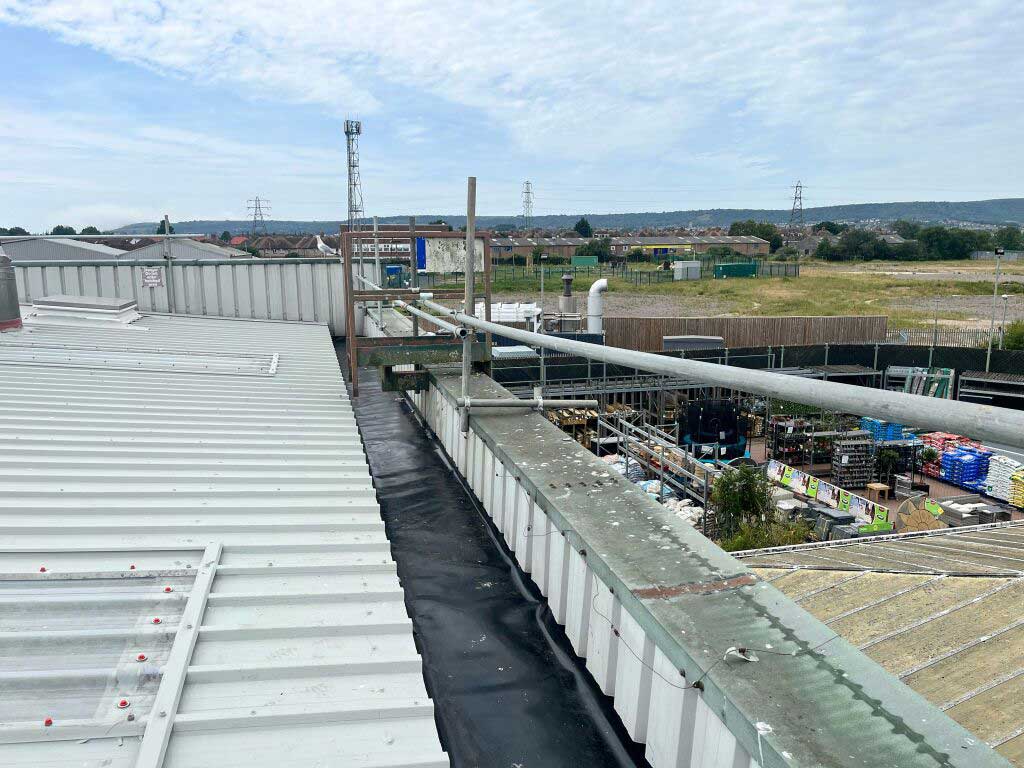
Membrane shrinkage causes the roofing material to pull away from edges, walls, and penetrations. As some roofing membranes age, they contract, creating gaps and stress points that compromise waterproofing. You’ll notice exposed substrate at roof edges or around equipment if shrinkage is occurring.
Deteriorating seams represent critical failure points. Flat roofs rely on properly sealed seams between membrane sections. During inspection, look for seams that appear raised, separated, or show signs of peeling. Running a gloved hand along seams can sometimes detect irregularities not immediately visible to the eye.
Granule loss on modified bitumen and built-up roofing systems indicates surface wear. These granules protect the underlying material from UV damage. Excessive granule accumulation in drains or bare spots on the roof surface suggest the protective layer is failing and the membrane itself will soon be vulnerable.
Soft spots when walking the roof indicate moisture has penetrated the roofing system and damaged the insulation or decking below. These areas feel spongy underfoot and represent serious structural concerns requiring immediate attention.
Interior Warning Signs of Roof Problems
Sometimes the first indication of roof failure appears inside your building. Regular inspection of upper-floor ceilings and attic spaces can catch problems before they cause major disruption.
Water stains on ceilings or walls often appear as discolored patches, rings, or streaks. Even if currently dry, water stains indicate that moisture has entered the building at some point. The actual roof damage may be far from where the stain appears, as water can travel along structural members before becoming visible.
Mold or mildew growth in upper areas of the building suggests ongoing moisture problems. The musty odor often accompanies visible growth, and both indicate that water is regularly entering the building envelope.
Increased energy costs can signal insulation damage from roof leaks. If heating or cooling expenses rise without explanation, compromised roof insulation may be reducing your building’s thermal efficiency.
Drainage System Red Flags
Your flat roof’s drainage system is crucial for preventing water accumulation and extending roof life. Drainage problems accelerate roof deterioration and create conditions for catastrophic failure.
Clogged drains or gutters cause water to back up and pond on the roof surface. Regular cleaning prevents this issue, but signs of overflow or water staining near drains indicate maintenance hasn’t kept pace with debris accumulation.
Rusted or damaged drain components can’t properly channel water off your roof. Inspect drain strainers, downspouts, and scuppers for corrosion, separation, or blockage.
Vegetation growth around drains or in roof valleys indicates that water isn’t draining properly and organic material has accumulated. Plants growing on your roof accelerate deterioration by retaining moisture and allowing roots to penetrate roofing materials.
Age-Related Concerns and Expected Lifespan
Even well-maintained flat roofs have finite lifespans. Knowing your roof’s age and expected longevity helps you plan for eventual replacement and recognize when problems are likely to accelerate.
Built-up roofing (BUR) systems typically last 15-30 years depending on maintenance and climate. Modified bitumen roofs generally provide 10-20 years of service. Single-ply membranes like TPO and EPDM often last 15-30 years with proper care. If your roof approaches these age ranges, increased vigilance for failure signs becomes critical, and planning for replacement should begin.
Creating an Inspection Schedule
Catching problems early requires regular, systematic inspection rather than waiting for visible issues to emerge. Establish a roof inspection routine that includes:
Seasonal inspections after winter and before summer help identify weather-related damage and prepare the roof for upcoming temperature extremes. Spring inspections catch winter damage while fall checks ensure your roof is ready for harsh weather.
Post-storm assessments should occur after any severe weather event. High winds, hail, and heavy snow can cause immediate damage that worsens rapidly if not addressed.
Professional inspections by qualified roofing contractors should occur at least annually, even if no problems are apparent. Professionals can identify subtle issues that untrained observers might miss and provide documentation for warranty purposes and future planning.
The Financial Case for Proactive Action
When comparing the costs of proactive versus reactive roof management, the numbers overwhelmingly favor early intervention. Emergency roof repairs typically cost 30-50% more than scheduled work due to after-hours labor, rush material orders, and contractor availability premiums.
The indirect costs compound this difference. Business interruption during emergency repairs can cost far more than the repair itself. Water damage to interior finishes, equipment, and inventory often exceeds roofing repair costs. Mold remediation following prolonged moisture exposure adds additional expense.
Consider a typical scenario: A small membrane defect costs approximately $500 to repair if caught during routine inspection. If that defect goes unnoticed and causes an interior leak, the combined costs might include $3,000 for emergency roofing repair, $5,000 for water damage restoration, $2,000 for replacement of damaged ceiling and insulation, and potential business interruption costs. That single overlooked problem cost 20 times more than it would have if addressed proactively.
Regular maintenance also extends your roof’s functional life. A flat roof that receives prompt attention to minor issues and consistent preventive care often exceeds its expected lifespan, delaying the major capital expense of full replacement by years.
When to Call a Professional
While property managers can identify many warning signs, professional assessment is essential when problems are detected. Roofing contractors have the expertise, equipment, and safety training to thoroughly evaluate roof condition and recommend appropriate repairs.
Call a roofing professional immediately if you observe active leaks, extensive membrane damage, significant ponding water, soft spots on the roof surface, or any situation that poses immediate risk to the building or occupants. These conditions can worsen rapidly and cause escalating damage.
Schedule professional evaluation if you notice membrane blistering, minor flashing issues, early signs of seam failure, drainage concerns, or if your roof is approaching the end of its expected lifespan. These situations don’t require emergency response but benefit from expert assessment and planning.
Conclusion
Your flat roof provides critical protection for your business operations, inventory, and building systems. Like any major building component, it requires attention and maintenance to deliver reliable performance throughout its lifespan. The difference between reactive crisis management and proactive roof care often comes down to regular inspection and willingness to address small problems before they escalate.
By familiarizing yourself with the warning signs outlined in this article and establishing a consistent inspection routine, you can catch roof problems at stages when repairs are simple and affordable. This approach minimizes business disruption, protects your property investment, and provides peace of mind that your roof will continue protecting what’s underneath it.
The question isn’t whether your flat roof will eventually need attention—all roofs do. The question is whether you’ll address those needs on your schedule or your roof’s schedule. Proactive property managers who spot early signs of failure inevitably spend less, face fewer emergencies, and extend their roof’s useful life compared to those who wait for obvious problems to emerge.