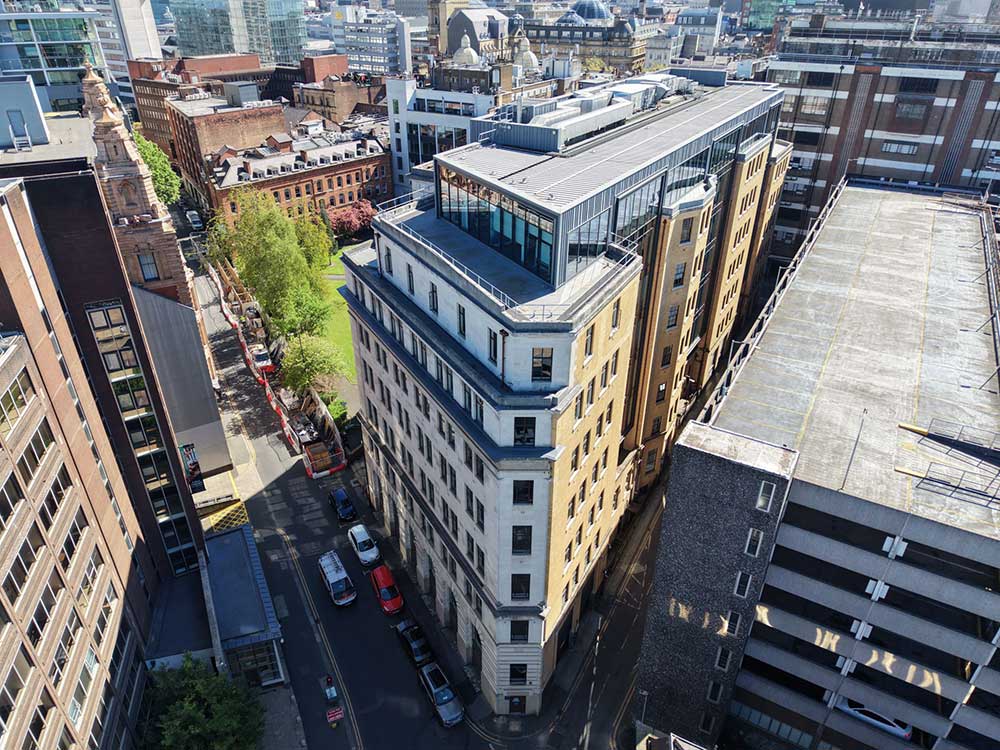
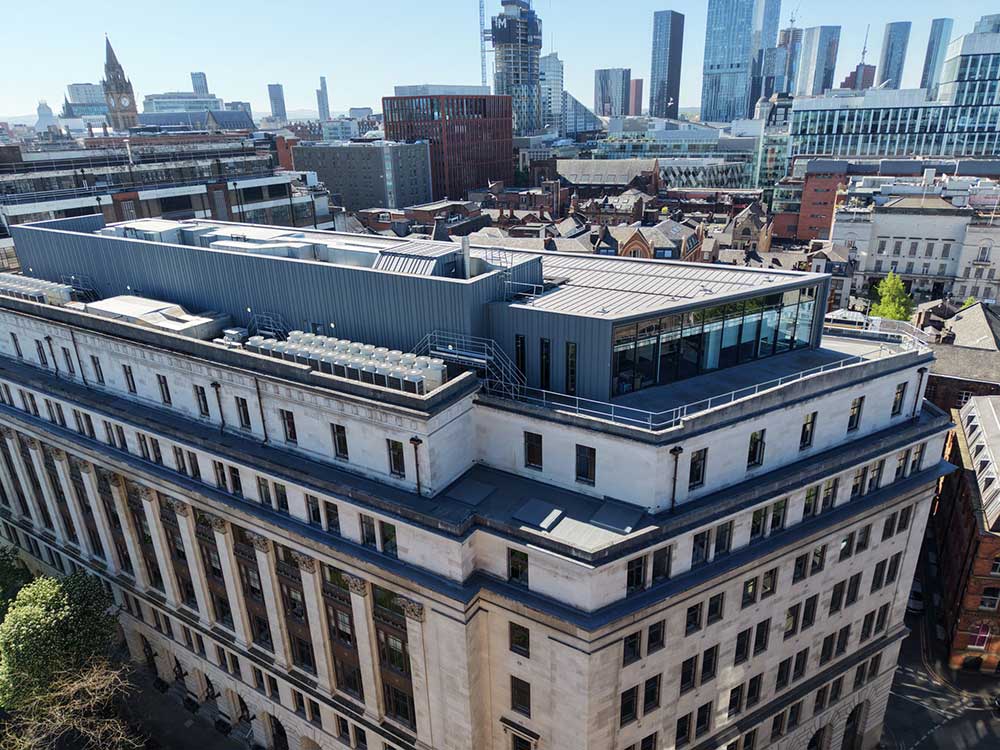
The UK’s notoriously wet climate presents unique challenges for commercial flat roof drainage systems. With average annual rainfall ranging from 600mm in the southeast to over 3,000mm in parts of Scotland, and increasingly frequent extreme weather events, proper drainage design and maintenance has never been more critical for protecting commercial properties from water damage.
Understanding UK Weather Patterns and Their Impact
The UK’s maritime climate delivers consistent moisture throughout the year, with autumn and winter months typically seeing the highest rainfall intensities. Recent climate data shows increasing frequency of extreme rainfall events, with some areas experiencing 50mm+ of rain in single hours—far exceeding historical design parameters for many existing commercial buildings.
This changing weather pattern means that drainage systems designed to older standards may no longer provide adequate protection. The Met Office reports that extreme rainfall events have increased by 17% since the 1960s, with further increases projected through the 2030s and beyond.
British Standards and Design Requirements
BS EN 12056-3 and BS 6367 provide the framework for commercial roof drainage design in the UK, but understanding their application in practice requires careful consideration of local conditions. The standards specify minimum drainage capacities based on rainfall intensity, roof area, and local climate factors.
For most UK commercial applications, drainage systems must handle rainfall intensities of 75mm/hour as a minimum, with higher requirements in areas prone to extreme weather. However, many drainage professionals now recommend designing for 100mm/hour intensities to account for climate change projections and provide adequate safety margins.
The concept of “driving rain” is particularly relevant to UK conditions, where horizontal rainfall driven by strong winds can overwhelm traditional drainage systems. Buildings in exposed locations must account for wind-driven rain loads that can be several times higher than vertical rainfall alone.
Designing Adequate Falls and Gradients
Proper falls are fundamental to effective drainage, yet remain one of the most commonly overlooked aspects of commercial roof design. The absolute minimum fall for any commercial flat roof should be 1:80 (1.25%), but best practice recommends 1:40 (2.5%) to account for structural deflection, settlement, and construction tolerances.
Tapered insulation systems have become the preferred method for creating consistent falls across large roof areas. These systems allow precise control of drainage patterns while maintaining thermal performance, but require careful coordination between roofing and insulation contractors to ensure proper installation.
Valley gutters and internal drainage zones require particular attention, with falls typically increased to 1:30 or steeper to prevent standing water. The positioning of these drainage features must consider both structural loading and access requirements for maintenance.
Outlet Specification and Sizing
Commercial roof outlets must be sized not only for normal rainfall but for extreme weather conditions. The traditional approach of one outlet per 200m² of roof area is often inadequate for modern commercial buildings, particularly those with complex roof geometries or in high-rainfall areas.
Outlet sizing should consider the total catchment area, including any adjacent roof areas that might contribute runoff. Large commercial roofs often benefit from multiple outlet zones to prevent overloading of any single drainage run and to provide redundancy in case of blockages.
Modern commercial outlets incorporate leaf guards, debris filters, and inspection chambers to facilitate maintenance while preventing blockages. However, these features require regular cleaning to maintain their effectiveness—a consideration that must be factored into building maintenance schedules.
Overflow and Emergency Drainage
UK building regulations require emergency drainage provision for all commercial flat roofs, but the implementation of these systems often receives inadequate attention during design and construction phases. Emergency overflows must be positioned to prevent water levels from reaching critical structural elements while directing overflow away from building entrances and pedestrian areas.
The capacity of emergency drainage systems should match the primary drainage system, providing genuine redundancy rather than token compliance. This typically requires emergency outlets positioned 50-75mm above the normal roof level, with dedicated discharge routes that don’t conflict with primary drainage runs.
Parapet walls and upstands present particular challenges for emergency drainage, requiring careful design to prevent water retention while maintaining the building’s weather envelope. Scupper outlets and overflow weirs must be detailed to prevent water ingress while providing reliable overflow capacity.
Sustainable Drainage Systems (SuDS) Integration
The increasing adoption of SuDS principles in commercial development creates both opportunities and challenges for roof drainage design. Green roofs, blue roofs, and rainwater harvesting systems can significantly reduce peak discharge rates while providing environmental benefits.
However, SuDS integration requires careful consideration of structural loading, maintenance access, and long-term performance. Blue roof systems, which temporarily store rainwater on the roof surface, require sophisticated control systems and regular maintenance to prevent system failure.
Local planning authorities increasingly require SuDS provision for new commercial developments, making integration of these systems essential for planning consent. The financial incentives for SuDS adoption, including reduced surface water drainage charges, often justify the additional investment required.
Maintenance and Inspection Protocols
Regular maintenance is critical for drainage system performance, yet many commercial property owners underestimate the frequency and scope of maintenance required. Gutters and outlets should be inspected at least twice annually, with additional inspections following severe weather events.
Typical maintenance requirements include removing debris from gutters and outlets, checking fall gradients, inspecting membrane condition around drainage points, and testing overflow systems. Access for maintenance must be considered during design, with safe access routes to all drainage components.
The cost of preventive maintenance pales in comparison to the potential costs of water damage from drainage failure. Insurance claims for commercial water damage frequently exceed £50,000, with business interruption costs often doubling the total claim value.
Common Drainage Failures and Their Causes
Blocked outlets remain the most common cause of commercial roof drainage failure, typically resulting from inadequate maintenance rather than design defects. Leaves, debris, and even bird nests can completely block drainage systems, leading to rapid water accumulation during rainfall events.
Inadequate falls, often resulting from structural settlement or poor initial construction, create ponding areas that overwhelm local drainage capacity. These areas become progressively worse as debris accumulates and membrane degradation accelerates.
Thermal movement in roofing membranes can cause separation at outlet connections, creating leak paths that may not become apparent until significant water damage has occurred. Regular inspection of these critical connections is essential for preventing costly failures.
Insurance Implications and Risk Management
Commercial insurance policies typically exclude damage resulting from poor maintenance or design defects, making proper drainage system design and maintenance essential for coverage. Many insurers now require evidence of regular maintenance and inspection as a condition of coverage.
The increasing frequency of extreme weather events has led to more stringent insurance requirements for commercial properties in flood-prone areas. Properties with inadequate drainage systems may face higher premiums or coverage exclusions.
Risk management strategies should include regular professional inspections, documented maintenance schedules, and contingency plans for extreme weather events. These measures not only reduce insurance costs but provide essential protection for business continuity.
Cost-Benefit Analysis of Drainage Upgrades
The cost of upgrading commercial drainage systems varies significantly depending on building size, complexity, and access requirements. However, the potential costs of drainage failure—including structural damage, business interruption, and insurance claims—typically justify proactive investment in system improvements.
Modern drainage systems with adequate capacity, proper falls, and comprehensive overflow protection typically cost 15-25% more than minimum-compliance systems but provide substantially better long-term protection. The additional investment is often recovered through reduced maintenance costs and insurance premiums within 3-5 years.
Future-Proofing for Climate Change
Climate change projections suggest continued increases in extreme rainfall events, making future-proofing an essential consideration for commercial drainage design. Systems designed to current standards may become inadequate as weather patterns continue to evolve.
Adaptive design approaches, including oversized drainage systems and flexible SuDS integration, provide resilience against future climate conditions. While these approaches require higher initial investment, they provide protection against future regulatory changes and extreme weather events.
Conclusion
Effective commercial flat roof drainage in the UK requires comprehensive understanding of local climate conditions, regulatory requirements, and long-term performance considerations. The combination of increasing rainfall intensity, stringent building standards, and rising insurance costs makes proper drainage design and maintenance essential for commercial property protection.
Property owners and facilities managers who invest in robust drainage systems, implement regular maintenance protocols, and plan for future climate conditions will find themselves better protected against water damage while benefiting from reduced operational costs and insurance premiums.
The cost of prevention is invariably lower than the cost of cure when it comes to commercial roof drainage. With proper design, installation, and maintenance, commercial flat roofs can provide decades of reliable protection even in the UK’s challenging climate conditions. The key is treating drainage as a critical building system rather than an afterthought, with the attention and investment that such a critical system deserves.