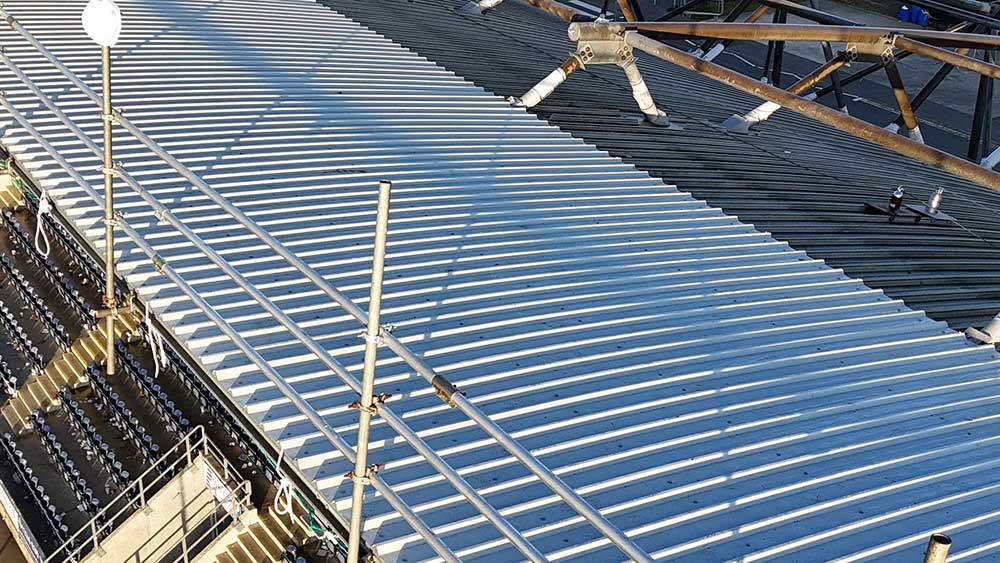
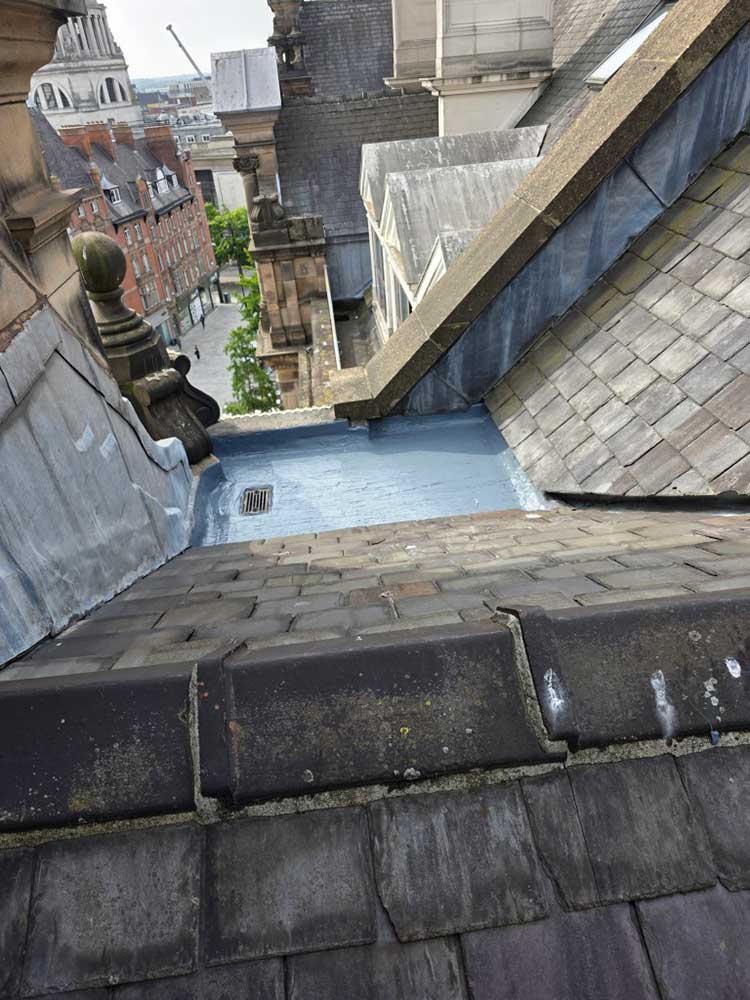
The landscape of commercial roofing in the UK has transformed dramatically since the latest updates to Building Regulations Part L came into effect. For property owners, facilities managers, and developers, understanding how roofing systems contribute to overall building energy performance is no longer optional—it’s a regulatory requirement that directly impacts both compliance and operational costs.
Understanding Part L Requirements for Commercial Roofing
Building Regulations Part L sets stringent thermal performance standards for commercial buildings, with U-values for roofs typically required to be 0.18 W/m²K or better for new builds and major renovations. However, compliance extends far beyond simply meeting minimum insulation requirements. The regulations now take a holistic approach, considering the building’s overall energy performance through metrics like the Building Energy Rating (BER) and carbon dioxide emissions.
This shift means that roofing systems must be evaluated not just for their thermal properties, but for their contribution to the building’s entire energy ecosystem. The roof represents typically 15-25% of a building’s total heat loss, making it a critical component in achieving compliance while managing long-term operational costs.
Modern Roofing Solutions for Regulatory Compliance
High-Performance Insulation Systems
Traditional approaches to commercial roofing often focused on meeting minimum standards, but today’s regulatory environment demands more sophisticated solutions. Polyisocyanurate (PIR) and phenolic foam insulation systems now routinely achieve U-values of 0.15 W/m²K or better, providing a comfortable margin above regulatory minimums while delivering genuine energy savings.
Tapered insulation systems have become increasingly popular, not only for their drainage benefits but for their ability to accommodate varying insulation thicknesses across a roof area. This flexibility allows designers to optimise thermal performance in areas where structural or architectural constraints might otherwise compromise energy efficiency.
Cool Roof Technology
The adoption of cool roof systems—featuring highly reflective membranes that reduce solar heat gain—addresses both thermal performance and urban heat island effects. These systems can significantly reduce cooling loads during warmer months, contributing to improved Energy Performance Certificate (EPC) ratings and reduced operational costs.
Modern EPDM and TPO membranes with high Solar Reflectance Index (SRI) values are becoming standard specifications, particularly for larger commercial installations where cooling costs represent a significant operational expense.
Green Roofing Integration
Extensive and intensive green roof systems offer compelling solutions for Part L compliance, providing excellent thermal mass and insulation properties. Beyond regulatory compliance, these systems contribute to biodiversity net gain requirements increasingly common in planning applications and can provide valuable amenity space for building occupants.
The thermal performance of green roofs varies seasonally, providing enhanced insulation during winter months when heating demands are highest, while offering cooling benefits through evapotranspiration during summer periods.
Airtightness and Thermal Bridging Considerations
Modern commercial roofing systems must address continuity of the building’s thermal envelope, with particular attention to junction details and penetrations. The Building Regulations now require demonstration of airtightness performance, with commercial buildings typically needing to achieve 5 m³/h.m² at 50 Pa or better.
Roofing contractors must work closely with the building envelope design team to ensure that membrane installations, insulation continuity, and junction details contribute to rather than compromise overall airtightness performance. This integrated approach often requires more detailed specifications and quality assurance procedures than traditional roofing projects.
Impact on EPC Ratings and Building Value
The relationship between roofing performance and EPC ratings has become increasingly significant as commercial property markets place greater emphasis on energy efficiency. Buildings with poor EPC ratings face rental voids, reduced capital values, and potential regulatory restrictions under the Minimum Energy Efficiency Standards (MEES).
High-performance roofing systems can contribute 10-15 points to a building’s EPC rating, often making the difference between acceptable and unacceptable performance levels. This improvement translates directly into enhanced rental values, reduced void periods, and improved capital valuations.
Maintenance and Performance Monitoring
Part L compliance extends beyond initial installation to ongoing performance. Building owners must demonstrate continued compliance through regular maintenance and performance monitoring. This requirement has driven adoption of more sophisticated building management systems that monitor thermal performance and identify degradation before it impacts regulatory compliance.
Preventive maintenance schedules now include thermal imaging surveys, airtightness testing, and insulation condition assessments as standard practice. These proactive approaches help maintain regulatory compliance while optimising operational performance throughout the building’s lifecycle.
Cost-Benefit Analysis and Investment Returns
While high-performance roofing systems require higher initial investment, the combination of reduced energy costs, improved EPC ratings, and enhanced building values typically delivers attractive returns on investment. Many commercial property owners report payback periods of 5-8 years for comprehensive roofing upgrades, with ongoing operational savings continuing throughout the roof’s service life.
Government incentives and green financing options often support these investments, with many lenders offering preferential rates for energy-efficient building improvements. The Enhanced Capital Allowance scheme allows 100% first-year capital allowances for qualifying energy-efficient equipment, including high-performance roofing systems.
Future-Proofing and Regulatory Evolution
The trajectory of UK building regulations suggests continued tightening of energy efficiency requirements. The government’s commitment to net-zero emissions by 2050 will likely drive further improvements in building performance standards, making early adoption of high-performance roofing systems a prudent long-term strategy.
Building owners who invest in roofing systems that exceed current regulatory requirements position themselves advantageously for future regulatory changes while benefiting from superior operational performance in the interim.
Conclusion
Meeting UK Building Regulations Part L through modern commercial roofing systems requires a comprehensive approach that considers thermal performance, airtightness, and whole-building energy efficiency. While the regulatory landscape continues to evolve, the fundamental principle remains clear: high-performance roofing systems are essential for compliance, operational efficiency, and long-term building value.
Property owners and facilities managers who embrace these requirements as opportunities rather than obstacles will find themselves with buildings that not only meet current regulations but provide superior operational performance and enhanced market value. The investment in quality roofing systems that exceed minimum standards pays dividends through reduced energy costs, improved EPC ratings, and future-proofed regulatory compliance.
As the commercial property market increasingly values energy efficiency, roofing systems that contribute meaningfully to overall building performance will become essential rather than optional. The time to act is now, before regulatory requirements tighten further and the competitive advantages of high-performance roofing become minimum expectations rather than differentiators.