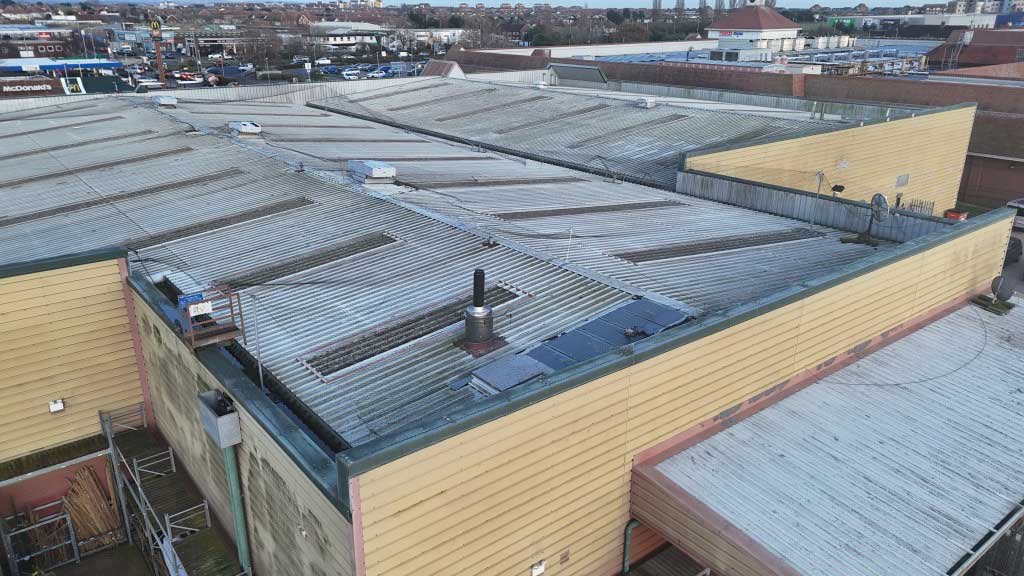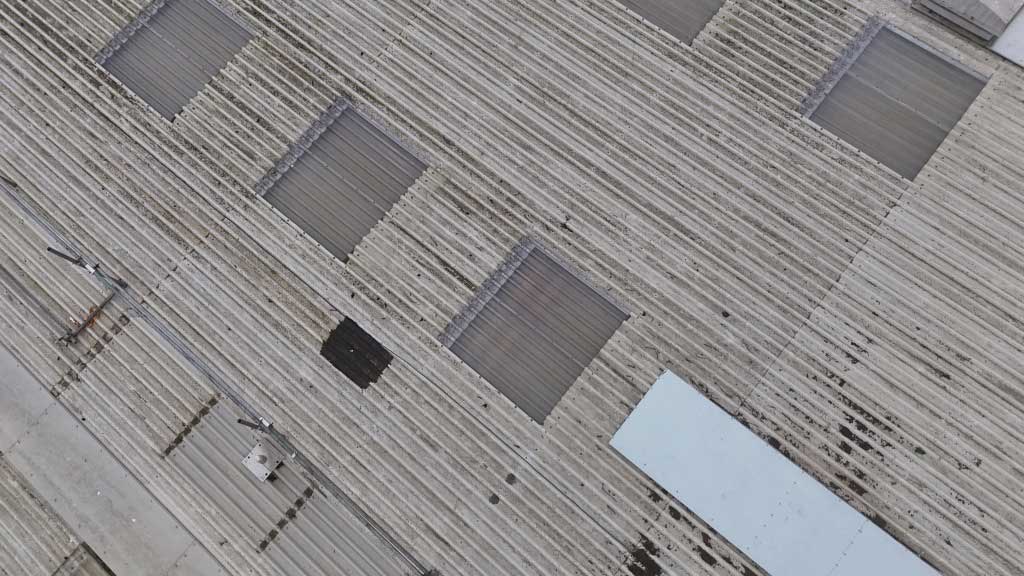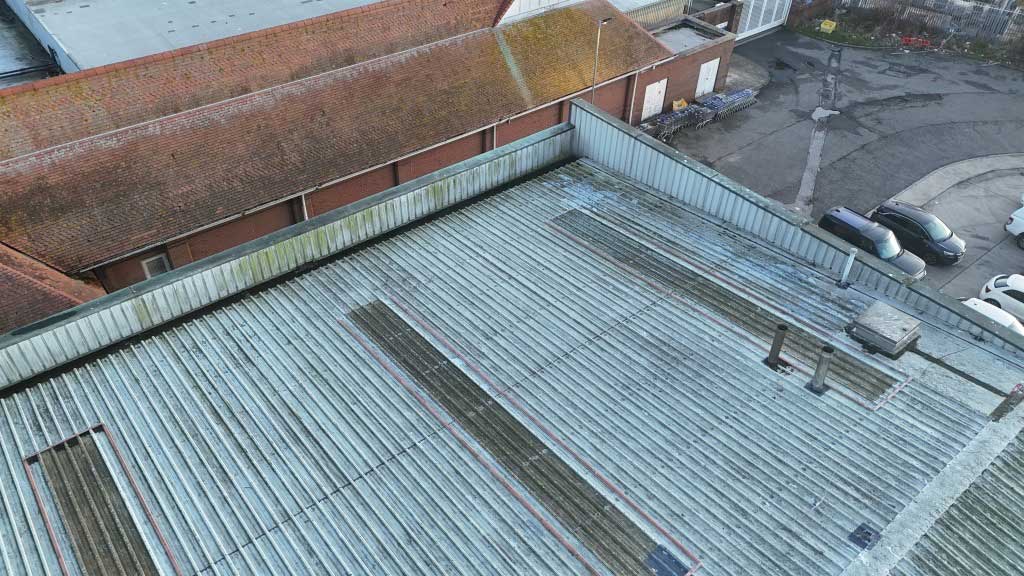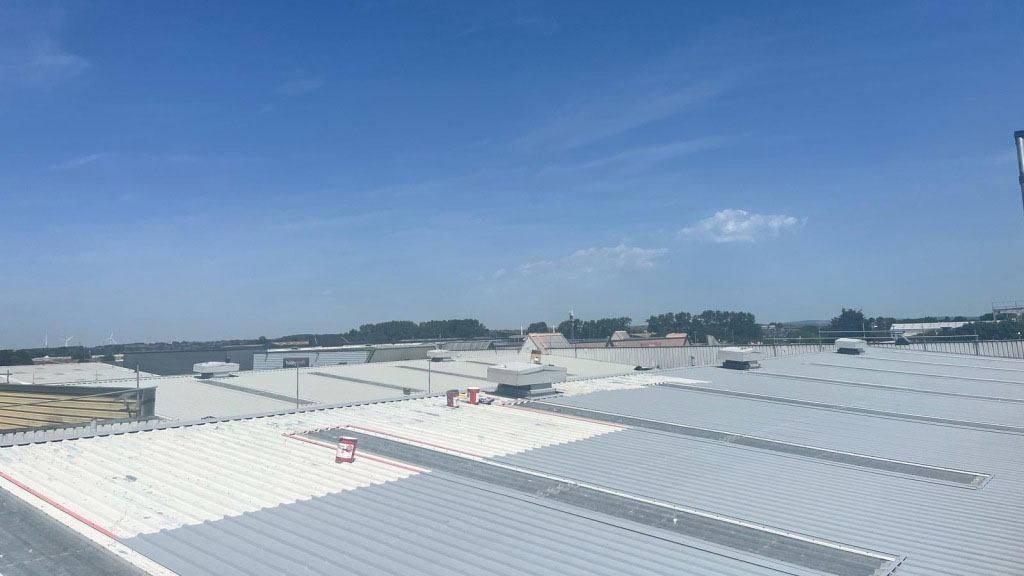
Commercial asbestos roof removal represents a significant expense for UK businesses, with costs often ranging from £20,000 to £200,000 depending on building size and complexity. However, many business owners remain unaware of a valuable tax incentive that can substantially reduce the net cost of these essential safety projects.
Land Remediation Relief (LRR) is a generous corporation tax relief scheme that allows eligible UK companies to claim up to 150% tax deduction on qualifying asbestos removal costs. For businesses facing substantial asbestos remediation expenses, this relief can transform a costly obligation into a more manageable investment with significant tax benefits.
This comprehensive guide explains how Land Remediation Relief works, which businesses qualify, what costs are eligible, and how to successfully claim this valuable tax incentive for commercial asbestos roof removal projects.
What Is Land Remediation Relief?
Land Remediation Relief is a corporation tax incentive introduced by the UK government to encourage businesses to clean up contaminated land and buildings previously used for industrial purposes. The relief provides a deduction of 100% plus an additional 50% for qualifying expenditure incurred by companies in cleaning up contaminated land, effectively creating a 150% tax deduction.
The scheme was established through the Finance Act 2001 and expanded in 2009 to broaden its scope and encourage more brownfield site redevelopment. The relief applies to both contaminated land and derelict properties, recognizing that many commercial and industrial sites require substantial remediation before they can be safely used or redeveloped.
Contamination is defined as present as a result of industrial activity such that it causes or could cause significant harm to humans, animals, buildings, or environmental pollution. Asbestos-containing roofing materials clearly fall within this definition, as asbestos fibres present serious health risks when materials deteriorate or are disturbed.
The relief is particularly valuable because it applies to both capital and revenue expenditure. Unlike many tax incentives that only cover revenue costs, Land Remediation Relief recognizes that contamination remediation often involves substantial capital investment that would not otherwise be tax-deductible.
For profitable companies, the 150% deduction reduces taxable profits, lowering corporation tax bills. Companies that make losses can surrender those losses attributable to Land Remediation Relief in return for a cash payment from the government, providing immediate cash benefits even when businesses are not currently profitable.
Why Asbestos Roof Removal Qualifies
Asbestos removal from commercial buildings meets the specific criteria that make Land Remediation Relief available, making it one of the most common applications of this tax incentive.
The additional costs incurred to comply with asbestos removal regulations are part of the cost of removing asbestos and may qualify for Land Remediation Relief. This means not just the physical removal work but also associated expenses like surveys, testing, and specialist handling qualify for the enhanced tax treatment.
The key qualifying factor is that asbestos represents contamination resulting from industrial activity that causes or could cause relevant harm. When asbestos-containing materials were originally installed in commercial roofs during the 1950s through 1990s, this installation constituted industrial activity. The subsequent deterioration of these materials creates health hazards that meet the “relevant harm” definition under the legislation.
Relevant harm includes significant adverse impact on the health of humans or animals or damage to buildings that has a real impact on how the building is used. Asbestos fibres cause serious respiratory diseases including asbestosis, lung cancer, and mesothelioma, clearly meeting this harm threshold.
Commercial roof asbestos commonly takes the form of asbestos cement sheeting, which contains chrysotile asbestos fibres bonded within a cement matrix. As these materials age and weather, the cement deteriorates, allowing potentially dangerous fibres to become airborne. This progressive deterioration means that even roofs that once appeared stable may now pose significant risks requiring remediation.
The legislation specifically recognizes asbestos removal as qualifying expenditure. HMRC’s internal guidance directly addresses asbestos removal in buildings as eligible for Land Remediation Relief, providing clarity that businesses can rely on when making claims.
Eligibility Requirements for UK Businesses
Not every business can claim Land Remediation Relief for asbestos removal, and understanding the eligibility criteria is essential before planning your claim.
Corporate Structure Requirement: Only companies that pay corporation tax are eligible for Land Remediation Relief, meaning sole traders, partnerships, and other non-corporate entities cannot claim this relief. If your business operates as a sole trader or partnership, you will need to consider whether incorporating could provide access to this and other corporate tax benefits.
Land Acquisition: The contamination must have existed when you acquired the property. Companies cannot claim Land Remediation Relief for contamination they caused themselves. This “polluter pays” principle means the relief is specifically targeted at businesses taking on the burden of cleaning up contamination from previous uses or owners.
If you purchased a commercial property knowing it had an asbestos roof, this contamination was present at acquisition and should qualify. If you purchased a building years ago with asbestos in the roof but have only recently decided to remove it, a land remediation relief claim would still be appropriate. The timing of removal does not matter as long as the contamination existed at the time you acquired the property.
Property Interest: Companies must hold a major interest in the land or property, meaning either a freehold or a minimum seven-year lease. Short-term tenants typically cannot claim the relief, as they lack sufficient property interest. However, businesses with longer leases that include repairing obligations may qualify.
Business Purpose: The property must be held for the purposes of your trade or UK property business. This includes property investors, developers, manufacturers, retailers, and any other business using the property for commercial purposes. Owner-occupiers, landlords, and property developers can all potentially claim, though the calculation methods differ slightly between these groups.
Non-Responsibility for Contamination: You cannot have caused or been associated with the original contamination. If your company installed the asbestos roofing or if you are connected to entities that did, you likely cannot claim. The relief is designed to incentivize remediation of third-party contamination, not to subsidize businesses cleaning up their own pollution.
Understanding the 150% Tax Deduction
The mechanics of how the 150% deduction works differ depending on whether you are an investor/owner-occupier or a property developer/trader, and understanding these differences helps maximize the benefit.
For Investors and Owner-Occupiers: Companies holding property as an investment or using it for their own trade normally cannot deduct capital expenditure for tax purposes. However, claiming land remediation relief means they can elect to treat qualifying spend as a revenue expense for tax purposes, making the relief three times more valuable than it is for property traders.
The full 150% rate means that for every £100,000 spent on qualifying asbestos removal, you can deduct £150,000 from your taxable profits. At the current 25% corporation tax rate, this provides a tax saving of £37,500 on £100,000 of expenditure, reducing the net cost to £62,500.
For Property Developers: Developers and housebuilders already write off development costs as normal business expenses, so they do not receive the same capital-to-revenue conversion benefit. However, they still receive valuable relief. Developers can claim at a rate of 50% additional relief beyond their normal deduction, meaning £100,000 spent provides £150,000 of total deductions (the original £100,000 plus an additional £50,000).
For Loss-Making Companies: If a UK company makes a loss for an accounting period in which it incurs land remediation expenditure, it may elect to receive a payable credit from HMRC at 16% of the qualifying expenditure. This means loss-making companies receive immediate cash rather than needing to wait to use tax losses against future profits.
For both investors and developers, the cash return is equivalent to 24% of expenditure incurred when considering the loss surrender mechanism. This substantial cash benefit makes asbestos removal more financially viable even for businesses not currently generating taxable profits.
Qualifying Costs Beyond Basic Removal
Land Remediation Relief covers a broader range of costs than many businesses realize, making it important to understand what expenditure qualifies for the enhanced deduction.
Survey and Assessment Costs: Qualifying expenditure includes the cost of establishing the level of contamination. This means asbestos surveys, material sampling, laboratory analysis, and condition assessments all qualify. These pre-removal investigation costs typically range from £400 to £1,500 for commercial properties and should be included in your claim.
Removal and Remediation Work: The physical removal of asbestos roofing materials forms the core qualifying expenditure. This includes labour costs for licensed asbestos removal operatives and supervisors, equipment hire, enclosure and containment systems, negative pressure units, decontamination facilities, and personal protective equipment.
Scaffolding and Access: Scaffolding costs specifically required for asbestos removal qualify as part of the remediation expenditure. Given that scaffolding often represents 25% to 40% of total commercial asbestos removal costs, this represents significant qualifying expenditure.
Waste Disposal: All costs associated with packaging, transporting, and disposing of asbestos waste at licensed facilities qualify. This includes waste bags and containers, licensed carrier charges, disposal facility fees, and hazardous waste consignment note administration.
Professional Fees: Fees paid to asbestos consultants, project managers, health and safety advisors, and other professionals directly supporting the remediation work qualify for relief. Legal fees related to compliance with asbestos regulations may also qualify where directly connected to the remediation project.
Post-Removal Testing: Independent air testing and clearance certification costs qualify as they form essential parts of the remediation process. These costs typically range from £400 to £1,200 for commercial projects and ensure the area is safe following removal.
Staff Costs: If your own employees are involved in managing or supporting the asbestos removal project, their time costs may qualify as part of the remediation expenditure. This includes internal project management, health and safety oversight, and coordination activities.
Costs that do not qualify include normal building works not directly related to contamination remediation, such as roof replacement materials installed after asbestos removal, general building improvements, and normal site preparation that would have been required regardless of contamination.
Practical Example: Calculating Your Tax Benefit
Understanding the actual financial benefit requires working through realistic scenarios that reflect different business situations.
Example 1: Profitable Owner-Occupier Warehouse
A manufacturing company owns a 1,000 square metre warehouse with an asbestos cement roof. The total removal project costs £50,000, including surveys (£800), scaffolding (£15,000), removal and disposal (£30,000), and testing (£800).
As an owner-occupier, the company can elect to treat the £50,000 capital expenditure as deductible and claim 150% relief, providing a £75,000 tax deduction. At 25% corporation tax, this reduces tax liability by £18,750, cutting the net project cost to £31,250.
Example 2: Loss-Making Property Investor
A property investment company owns a small industrial estate where one unit requires £25,000 of asbestos roof removal. The company has an overall trading loss of £40,000 for the year.
The company receives 150% relief (£37,500) on the qualifying expenditure. Because the company is loss-making, it can surrender the loss for a cash tax credit of 16% of the enhanced expenditure: £37,500 × 16% = £6,000 cash payment from HMRC.
This £6,000 cash credit reduces the net project cost to £19,000, providing immediate cash flow benefit even though the company has no taxable profits.
Example 3: Property Developer
A property development company acquires a former factory for conversion to residential apartments. Asbestos roof removal costs £80,000 as part of the development project.
As a developer, the company already deducts development costs as trading expenses. Land Remediation Relief provides an additional 50% deduction, meaning £40,000 can be deducted beyond the normal £80,000, totaling £120,000.
This additional £40,000 deduction saves £10,000 in corporation tax at the 25% rate. While less valuable than the investor rate, it still provides meaningful tax savings that improve project viability.
The Claims Process: Step-by-Step
Successfully claiming Land Remediation Relief requires following specific procedures and meeting HMRC deadlines.
Step 1: Confirm Eligibility
Before incurring expenditure, verify that your business structure, property interest, and contamination circumstances meet the eligibility criteria. Consider whether the contamination existed when you acquired the property and whether you or connected parties were responsible for it.
Step 2: Document Everything
Maintain comprehensive records of all qualifying expenditure from the outset. This includes:
- Detailed invoices from contractors, surveyors, and waste disposal companies
- Laboratory test results confirming asbestos presence
- Project timelines and completion certificates
- Evidence that contamination existed at acquisition
- Property purchase documentation
- Before and after photographs
Step 3: Calculate Qualifying Expenditure
Work with your accountant to identify all costs that qualify for relief. Separate qualifying contamination remediation costs from general building works or improvements that do not qualify. Deduct any grants or subsidies received, as these must be excluded from your claim.
Step 4: Make the Election
A company must elect to treat qualifying capital expenditure as a deduction in computing taxable profits within two years of the end of the accounting period in which expenditure is incurred. This election is critical for owner-occupiers and investors who need to convert capital expenditure into deductible costs.
Step 5: Include in Tax Return
A claim for Land Remediation Relief must be made in the company’s tax return for the relevant accounting period, though it can also be made in an amended return. There is no special form required; the claim is included through your tax computation within your Corporation Tax Self-Assessment.
Step 6: Prepare Supporting Documentation
While you do not submit detailed evidence with your return, maintain all supporting documentation in case HMRC requests it during review. Your records should clearly demonstrate how you calculated qualifying expenditure and why the costs meet the relief criteria.
Step 7: Consider Loss Surrender
If your company is loss-making and wants to receive the cash tax credit rather than carry losses forward, elect to surrender losses attributable to Land Remediation Relief. The cash credit equals 16% of the enhanced expenditure and can provide valuable immediate cash flow.
Timing Considerations and Retrospective Claims
Understanding the timing rules for Land Remediation Relief helps you plan claims effectively and avoid missing valuable opportunities.
The time limit for retrospective claims is up to three years from the end of the accounting period in which costs were incurred. This means businesses that completed asbestos removal in recent years may still be able to claim relief through amended returns.
Many businesses only become aware of Land Remediation Relief after projects are completed. The retrospective claims window provides an opportunity to recover significant tax benefits even if you did not plan for the relief when undertaking the work.
For businesses planning future asbestos removal, advance awareness allows you to structure projects and maintain documentation with the claim in mind. This forward planning helps maximize qualifying costs and ensures proper evidence is collected from the outset.
Where property is held as an asset, such as a retail portfolio, the full 150% must be claimed in the year in which expenditure was incurred. You cannot spread the relief over multiple years or defer it for tax planning purposes when holding property as an investment. This requirement means you must be ready to make your claim in the relevant accounting period.
Property developers have more flexibility as they claim the relief as trading expenses over the development period, but should still ensure timely claims to avoid missing deadline limitations.
Common Mistakes to Avoid
Many businesses fail to maximize Land Remediation Relief benefits or have claims rejected due to avoidable errors.
Assuming Ineligibility: Many businesses assume they cannot claim because the contamination occurred decades ago or because they have owned the property for years. Even if contamination was present when you purchased the property years ago, claims for removal are still appropriate as long as you did not cause the contamination.
Poor Documentation: Failing to maintain adequate records is the most common claim weakness. Ensure all invoices clearly describe the work performed, that contracts specify contamination remediation separately from other building works, and that you retain laboratory reports confirming asbestos presence.
Missing Deadlines: The two-year election deadline and three-year claim deadline are strict. Missing these deadlines means forfeiting potentially substantial tax benefits. Diarize these deadlines when planning asbestos removal projects.
Including Non-Qualifying Costs: Claiming relief for general building works, roof replacement materials, or other costs not directly related to contamination remediation will trigger HMRC challenges. Work with specialist advisors to properly allocate costs between qualifying and non-qualifying categories.
Not Seeking Specialist Advice: Land Remediation Relief involves complex technical requirements that general accountants may not fully understand. Consider engaging tax specialists with specific experience in contaminated land relief claims for significant projects.
Forgetting Grant Deductions: Any grants or subsidies received must be deducted from your qualifying expenditure. Failing to do so will result in over-claiming and potential penalties.
Working with Accountants and Tax Specialists
Successfully claiming Land Remediation Relief typically requires professional assistance due to the technical nature of the legislation and the need for robust supporting evidence.
Your regular accountant should be informed about any asbestos removal projects as early as possible, ideally before work begins. They can advise on structuring the project to maximize qualifying expenditure and ensure appropriate documentation is maintained throughout.
For larger claims exceeding £50,000, consider engaging tax specialists who specifically focus on capital allowances and land remediation relief. These specialists often identify additional qualifying costs that general practitioners might overlook and can help defend claims if HMRC requests additional information.
Specialist advisors typically work on contingency fee bases, taking a percentage of the tax benefit delivered. While this adds cost to your project, the additional value they identify often exceeds their fees for substantial claims. Expect specialist fees of 15% to 25% of the tax benefit achieved.
When selecting advisors, verify their experience with Land Remediation Relief specifically, not just general tax planning. Request examples of previous asbestos removal claims they have successfully supported and check professional memberships in relevant industry bodies.
Professional advice becomes particularly valuable when your circumstances involve complications like mixed-use properties, phased remediation over multiple accounting periods, or questions about whether specific costs qualify for relief.
Combining Land Remediation Relief with Other Incentives
Land Remediation Relief can often be combined with other tax incentives and support mechanisms to further reduce the net cost of asbestos removal projects.
Capital Allowances: Businesses may be able to claim capital allowances on replacement roofing installed after asbestos removal. While the asbestos removal qualifies for Land Remediation Relief, the new roof system may qualify for structures and buildings allowances or annual investment allowances depending on its classification.
Enhanced Capital Allowances: If your roof replacement includes energy-efficient features like solar panels or advanced insulation systems, additional enhanced capital allowances may be available on top of land remediation benefits.
Business Rates Relief: Some local authorities offer business rates relief for properties undergoing significant improvement works. Asbestos removal combined with roof replacement may qualify for temporary rate reductions during and after the project.
VAT Considerations: While asbestos removal services are generally standard-rated for VAT, businesses can recover input VAT as normal where they are VAT-registered. Ensure VAT recovery is factored into your overall project cost analysis alongside Land Remediation Relief benefits.
Local Authority Grants: Some councils offer grants for commercial property improvements in designated regeneration areas. Where available, these grants reduce your qualifying expenditure for Land Remediation Relief purposes but may still improve overall project economics when combined.
Property Transactions and Land Remediation Relief
Understanding how Land Remediation Relief interacts with property transactions helps both buyers and sellers maximize value.
For Buyers: When acquiring commercial property with asbestos roofing, the availability of Land Remediation Relief should influence your valuation and negotiation strategy. The tax benefit effectively reduces the cost of necessary remediation, making properties with asbestos issues less of a burden than they might initially appear.
Consider negotiating a price reduction to reflect asbestos removal costs, then claim Land Remediation Relief on that remediation work. This combined approach can create favorable economics where the price reduction exceeds the net cost of removal after tax relief.
For Sellers: Vendors of properties with asbestos roofing should consider whether completing removal before sale creates better value than selling with contamination present. In some cases, removing asbestos and claiming Land Remediation Relief before sale generates a higher net position than selling at a discounted price with contamination in place.
Purchase Documentation: Ensure purchase agreements clearly document that contamination was present at acquisition if you plan to claim Land Remediation Relief subsequently. Include survey reports as contract annexes and specify in the purchase contract that the price reflects the cost of necessary remediation.
Stamp Duty Considerations: Properties purchased in an uninhabitable condition due to asbestos may qualify for Stamp Duty Land Tax relief or reduced rates. This separate benefit operates alongside Land Remediation Relief and can be claimed by buyers acquiring contaminated properties.
Real-World Benefits: Beyond Tax Savings
While the 150% tax deduction provides the most obvious financial benefit, Land Remediation Relief supports broader business objectives that enhance the overall value proposition.
The cash flow benefits for loss-making companies provide immediate liquidity that can be reinvested in business operations or additional property improvements. This cash injection may be particularly valuable for property investment companies or developers managing multiple projects.
Property value enhancement from removing asbestos typically exceeds the net cost after Land Remediation Relief. Commercial properties with asbestos roofing often sell at 10% to 20% discounts compared to asbestos-free comparables. The combination of tax relief and property value uplift creates compelling economics for remediation.
Insurance cost reductions following asbestos removal generate ongoing savings. Many insurers apply premium loadings of 10% to 25% for properties with asbestos roofing. After removal, these premiums typically normalize, creating annual savings that compound over time.
Operational simplifications eliminate the ongoing administrative burden of asbestos management registers, contractor briefings, and access restrictions. The time savings for facilities managers and property teams have real economic value beyond the direct tax benefits.
Business development opportunities expand when asbestos contamination is removed. Many potential tenants or buyers refuse to consider properties with asbestos, limiting your market. Remediation opens your property to a broader buyer or tenant pool, improving marketability and potentially increasing achievable rents or sale prices.
Future-Proofing Your Business
With increasing regulatory scrutiny on asbestos management and growing awareness of health risks, addressing asbestos roofing proactively positions your business advantageously for future requirements.
Regulatory trends suggest continued tightening of asbestos management requirements. The Health and Safety Executive has increased workplace inspections and enforcement actions, with penalties for non-compliance becoming more severe. Removing asbestos entirely eliminates exposure to these regulatory risks.
Environmental, social, and governance considerations increasingly influence property investment decisions. Institutional investors and major tenants now commonly require asbestos-free buildings as part of their sustainability criteria. Properties with asbestos may face growing difficulty attracting quality tenants or investors.
Land Remediation Relief provides the financial mechanism to address these future challenges proactively rather than reactively. By reducing the net cost of remediation, the relief makes it economically rational to remove asbestos before regulatory or market pressures force expensive emergency removal.
Climate change considerations also connect to asbestos removal decisions. Replacing asbestos roofing with modern insulated systems typically reduces heating costs by 30% to 50%, creating ongoing operational savings while improving building sustainability credentials. The combination of tax relief on removal and operational savings from improved roofing creates a compelling long-term business case.
Conclusion
Land Remediation Relief represents a valuable but often underutilized tax incentive that can substantially reduce the net cost of commercial asbestos roof removal for UK businesses. The 150% tax deduction or 16% cash tax credit for loss-making companies transforms expensive safety obligations into more manageable investments with significant financial benefits.
Understanding the eligibility requirements, qualifying costs, and claims process allows UK companies to strategically plan asbestos removal projects that protect people, comply with regulations, and maximize available tax relief. The three-year retrospective claims window means businesses that recently completed asbestos removal may still be able to recover significant tax benefits.
Working with specialist tax advisors ensures you identify all qualifying costs, maintain appropriate documentation, and submit robust claims that withstand HMRC scrutiny. The additional value that specialists identify typically exceeds their fees for substantial projects, making professional advice a worthwhile investment.
For businesses facing commercial asbestos roof removal, Land Remediation Relief should be a central consideration in project planning and financial analysis. The combination of tax benefits, property value enhancement, insurance savings, and operational improvements creates a compelling case for proactive remediation rather than ongoing management of deteriorating asbestos materials.
By understanding and utilizing Land Remediation Relief effectively, UK businesses can turn the burden of asbestos remediation into an opportunity for tax-efficient property improvement that protects people, enhances assets, and positions companies for long-term success.