Selecting the appropriate roofing system for your commercial property is one of the most critical decisions you’ll make as a building owner or facility manager. The right choice can provide decades of reliable protection, while the wrong one can lead to costly repairs, energy inefficiency, and business disruption. This comprehensive guide examines the most popular commercial roofing systems available in the UK market, helping you make an informed decision that balances performance, cost, and longevity.
Understanding Your Building’s Requirements
Before diving into specific roofing systems, it’s essential to assess your building’s unique characteristics and requirements. Consider factors such as the building’s age, structural capacity, intended use, local climate conditions, and budget constraints. The roof’s slope, existing drainage systems, and accessibility for maintenance also play crucial roles in determining the most suitable option.
Commercial buildings in the UK face particular challenges, including frequent rainfall, temperature fluctuations, and varying wind conditions. Your roofing system must be capable of handling these environmental stresses while meeting building regulations and energy efficiency standards.
EPDM Rubber Roofing: The Versatile Solution
Ethylene Propylene Diene Monomer (EPDM) rubber roofing has become increasingly popular for commercial flat roof applications, particularly for warehouses, retail spaces, and industrial buildings.
Advantages of EPDM Roofing
EPDM offers exceptional weather resistance, capable of withstanding extreme temperatures ranging from -45°C to 150°C. This synthetic rubber membrane is highly flexible, allowing it to expand and contract with temperature changes without cracking or splitting. The material demonstrates excellent resistance to UV radiation, ozone, and chemical exposure, making it ideal for industrial environments.
Installation is relatively straightforward, with EPDM membranes available in large sheets that minimize seams and potential leak points. The system can be mechanically fastened, fully adhered, or ballasted, depending on the specific application and building requirements. EPDM roofing typically comes with warranties ranging from 10 to 20 years, with many installations lasting well beyond their warranty period.
Disadvantages of EPDM Roofing
Despite its many benefits, EPDM has some limitations. The black surface can absorb significant heat, potentially increasing cooling costs during summer months. While puncture resistance is generally good, sharp objects can damage the membrane, requiring prompt repairs to prevent water infiltration.
EPDM systems are vulnerable at seam joints, where improper installation or adhesive failure can lead to leaks. The material also has limited resistance to certain oils and solvents, which may be a concern for specific industrial applications.
TPO Roofing: Energy-Efficient Performance
Thermoplastic Polyolefin (TPO) roofing has gained significant traction in the UK commercial market, particularly among environmentally conscious building owners seeking energy-efficient solutions.
Advantages of TPO Roofing
TPO’s white or light-colored surface provides excellent solar reflectance, helping reduce cooling costs and urban heat island effects. This single-ply membrane offers good chemical resistance and can withstand exposure to various industrial pollutants and cleaning agents.
The heat-welded seams create strong, watertight bonds that are often stronger than the membrane itself. TPO is also recyclable at the end of its service life, supporting sustainable building practices. Installation is typically faster than other systems, and the material provides good puncture and tear resistance.
Disadvantages of TPO Roofing
TPO is a relatively newer technology compared to EPDM, with less long-term performance data available. Early formulations experienced issues with premature degradation, though modern versions have addressed many of these concerns.
The material can be more expensive than EPDM initially, and proper installation requires specialized equipment and training for heat welding. TPO may also become brittle in extreme cold conditions, potentially affecting flexibility and performance in harsh winter climates.
Metal Roofing: Durability and Longevity
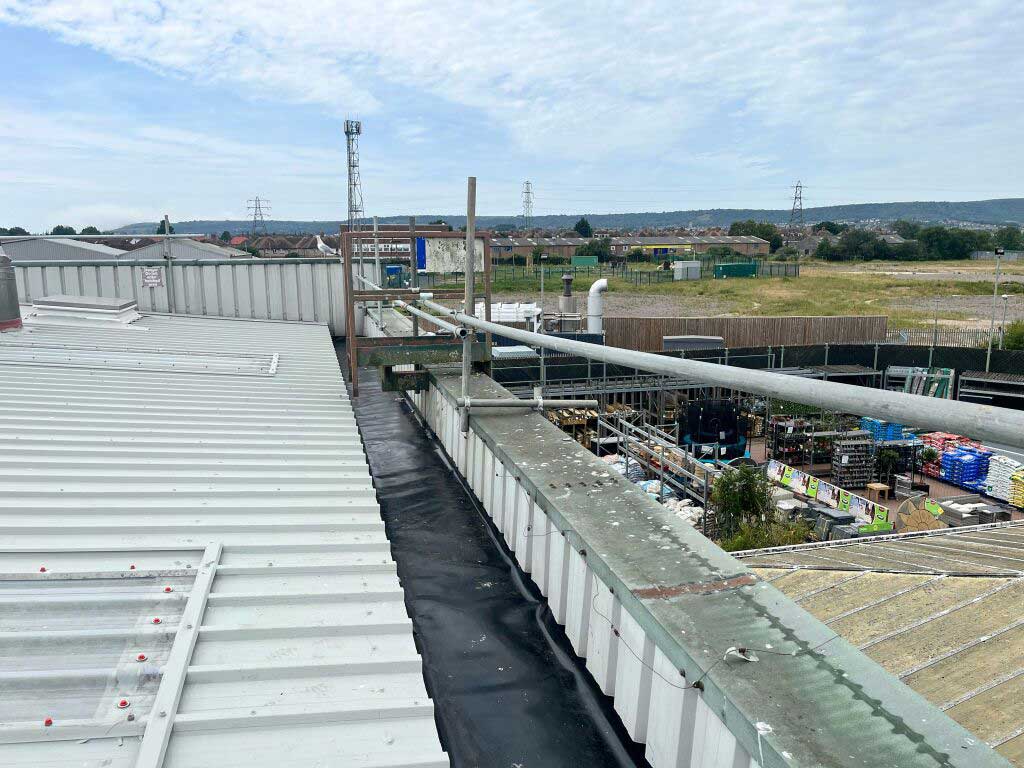
Metal roofing systems, including standing seam, corrugated panels, and metal shingles, offer exceptional durability and are particularly well-suited for warehouses, manufacturing facilities, and agricultural buildings.
Advantages of Metal Roofing
Metal roofs can last 40-70 years with proper maintenance, significantly longer than most membrane systems. They provide excellent fire resistance and can withstand severe weather conditions, including high winds and hail. Modern metal roofing systems offer superior energy efficiency with reflective coatings that reduce heat absorption.
Metal roofs are also environmentally friendly, often containing high percentages of recycled content and being fully recyclable at the end of their service life. The structural strength allows for additional equipment installation, such as solar panels or HVAC units, without compromising roof integrity.
Disadvantages of Metal Roofing
Initial installation costs are typically higher than membrane systems, though the longer lifespan often justifies the investment. Metal roofs can be noisy during rain or hailstorms, which may be problematic for certain commercial applications.
Thermal expansion and contraction can cause fasteners to loosen over time, requiring periodic maintenance. Some metal roofing systems may also be susceptible to corrosion in coastal environments or areas with high industrial pollution.
Built-Up Roofing (BUR) and Modified Bitumen: Traditional Reliability
Built-up roofing systems, including traditional tar and gravel roofs and modified bitumen systems, have been protecting commercial buildings for over a century.
Advantages of Built-Up Roofing
BUR systems provide excellent waterproofing through multiple layers of protection. The redundant design means that even if one layer fails, others continue to provide protection. These systems offer good fire resistance and can handle foot traffic better than single-ply membranes.
Modified bitumen systems combine the reliability of traditional built-up roofing with improved flexibility and ease of installation. They can be torch-applied, cold-applied, or self-adhered, providing installation flexibility for different conditions and building types.
Disadvantages of Built-Up Roofing
Installation can be labor-intensive and weather-dependent, particularly for hot-applied systems. The multiple layers add significant weight to the roof structure, which may require additional structural support. Maintenance can be challenging, as repairs often require removing multiple layers to address issues effectively.
Environmental concerns have also emerged regarding the use of coal tar and asphalt-based products, leading many building owners to consider alternative systems.
Factors to Consider When Choosing
Climate and Weather Conditions
The UK’s variable climate requires roofing systems that can handle frequent temperature changes, high humidity, and significant rainfall. Consider your specific regional conditions, including prevailing winds, average snowfall, and seasonal temperature extremes.
Building Structure and Load Capacity
Evaluate your building’s structural capacity to support different roofing systems. Metal roofing and built-up systems typically require greater structural support than single-ply membranes. Consult with a structural engineer if you’re unsure about load limitations.
Budget Considerations
Consider both initial installation costs and long-term maintenance expenses. While some systems may have higher upfront costs, their extended lifespan and lower maintenance requirements can provide better value over time. Factor in potential energy savings from reflective or insulated systems.
Maintenance Requirements
Different roofing systems have varying maintenance needs. Single-ply membranes typically require less maintenance than built-up systems, while metal roofs may need periodic coating renewal. Consider your facility’s maintenance capabilities and budget when making your selection.
Energy Efficiency Goals
With increasing focus on energy efficiency and sustainability, consider how different roofing systems can contribute to your building’s overall performance. Cool roof technologies, proper insulation, and reflective surfaces can significantly impact energy consumption.
Making the Final Decision
Choosing the right commercial roofing system requires careful evaluation of your specific needs, building characteristics, and long-term goals. Consider consulting with experienced roofing contractors who can assess your building and provide detailed recommendations based on local conditions and industry best practices.
Remember that proper installation is just as important as selecting the right system. Ensure that your chosen contractor has experience with your selected roofing type and can provide appropriate warranties for both materials and workmanship.
The investment in a quality commercial roofing system will protect your business assets, enhance energy efficiency, and provide peace of mind for years to come. Take the time to evaluate all options thoroughly, and don’t hesitate to seek professional guidance to ensure you make the best choice for your commercial property.